How Much Sunlight Do African bush daisy Need?
1
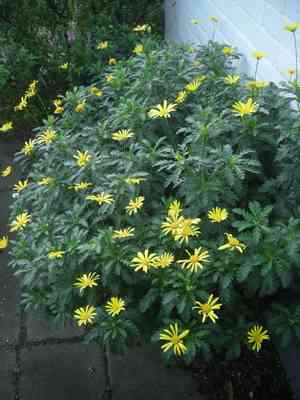
African bush daisies flourish optimally with more than six hours of direct sunlight each day.
2
They can endure some shade, yet their flowering might be less abundant compared to full sun exposure.
3
These plants are well-suited for both interior and exterior environments, provided suitable light levels are met.
The Importance of Sunlight for African Bush Daisy
Photosynthesis and Development
Sunlight is vital for photosynthesis, the process where plants convert light into energy. For your African bush daisy, sufficient light ensures it has the energy required for vigorous development. Plants lacking sunlight often show stunted growth, weak stems, and pale foliage.
Blossoming and Flowers
The allure of the African bush daisy lies in its vivid, sunflower-like blossoms. Sunlight is crucial for initiating and sustaining these blooms. With inadequate light, your plant might produce fewer flowers, diminishing its visual appeal. Full sun promotes more abundant and lasting flower production.
Vitality and Health
Exposure to sunlight not only supports development and flowering but also contributes to the overall vitality and health of the African bush daisy. Sunlight helps the plant develop strong, healthy foliage, essential for resisting pests and diseases.
African Bush Daisy's Sunlight Requirements
Optimal Daily Light Exposure
For peak growth, the African bush daisy needs full sun, meaning at least six hours of direct sunlight daily. While it can endure partial sun (around 3-6 hours of direct sunlight each day), full sun will yield the best outcomes for growth and blooming.
Seasonal Changes and Adaptations
During various seasons, sunlight intensity and duration can fluctuate. In summer, with longer and brighter days, your African bush daisy will flourish. However, during shorter, cloudier winter days, you might need to consider supplemental lighting or strategic placement to ensure the plant gets enough light.
Indoor vs. Outdoor Light Conditions
When cultivated outdoors, your African bush daisy should be planted in a location that receives ample sunlight. Indoors, position the plant near a south-facing window to maximize light exposure. If natural light is insufficient, consider using grow lights to provide the necessary light spectrum.
Effects of Excessive Sun on African Bush Daisy
Signs of Sunburn and Overexposure
Just as too little light can harm your African bush daisy, too much can be equally damaging. Signs of sunburn include scorched leaves, yellowing, and a wilted appearance despite adequate watering. Prolonged periods of overly intense sunlight can cause permanent damage.
Preventing and Addressing Sun Damage
To shield your plant from excessive sun, provide some afternoon shade, especially during peak summer heat. If grown in pots, you can temporarily move them to a less intense light area. Regularly checking your plant for signs of stress and adjusting its placement accordingly will help maintain its health.
Effects of Insufficient Sun on African Bush Daisy
Indicators of Inadequate Light
If your African bush daisy doesn't receive enough sunlight, it will show signs such as elongated stems (stretching towards light sources), smaller and fewer blooms, and weakened, pale leaves. The plant may also become more vulnerable to diseases and pests due to its compromised health.
Increasing Sunlight Exposure
To boost sunlight exposure for your African bush daisy, relocate it to a brighter area or trim any overhanging foliage that might be casting shadows. Indoors, using reflective surfaces like mirrors can help distribute light more effectively. Alternatively, investing in quality grow lights can supplement natural lighting.
Optimizing Sunlight Exposure for African Bush Daisy
Garden Placement
When planting your African bush daisy in the garden, select a spot that receives full sun for most of the day. Eastern and southern exposures are typically ideal as they offer the most consistent sunlight.
Utilizing Reflective Surfaces and Structures
Strategically placing reflective surfaces, such as white stones or garden decor, around your African bush daisy can help improve light distribution. Structures like walls or fences painted in light colors can also reflect additional sunlight onto the plant.
Selecting Appropriate Containers
If growing your African bush daisy in containers, choose pots that allow for easy movement so you can adjust their position to optimize sunlight exposure. Containers also enable you to bring the plant indoors during unfavorable weather conditions, ensuring it continues to receive adequate light.



