How Much Sunlight Do African Milk Bush Need?
1
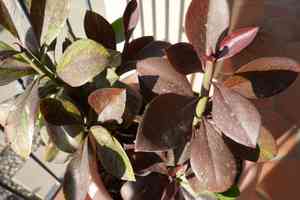
African Milk Bush flourishes optimally with ample sunlight, needing a minimum of 6 hours each day.
2
Too much sun can result in sunburn for the African Milk Bush, whereas insufficient light may cause feeble and elongated development.
3
Placing the plant appropriately, indoors or out, is vital for its well-being and development.
Optimal Light Conditions for African Milk Bush
Direct Sun vs. Partial Shade
Understanding the light preferences of your African Milk Bush is essential for its care. These plants flourish in full sun, meaning they thrive with at least six hours of direct sunlight daily. However, they can also endure partial shade, particularly during the hottest part of the day. This adaptability allows them to suit various growing environments. For indoor plants, position them in the brightest available spot, such as a south-facing window.
Daily Light Requirements
To ensure your African Milk Bush prospers, aim for a minimum of six hours of direct sunlight each day. This promotes efficient photosynthesis, leading to robust growth and vibrant coloration. If natural light is limited, consider supplementing with grow lights to meet its needs.
Positioning Your African Milk Bush for Best Light
Ideal Indoor Placements
Indoors, the African Milk Bush should be situated near a south-facing window to absorb ample sunlight. If a south-facing window isn't an option, an east or west-facing window can work, though it might necessitate additional light sources. Consistent light is vital, so avoid placing the plant in dim or shaded areas.
Ideal Outdoor Placements
Outdoor placement for the African Milk Bush should be in an area that receives abundant sunlight. Excellent locations include patios, balconies, or sunny garden spots. Be mindful of the afternoon sun, especially during intense summer heat, as it can be severe. A location that gets morning sun but dappled afternoon shade can help prevent scorching.
Signs of Excessive or Insufficient Light for African Milk Bush
Recognizing Sunburn
Too much sun can cause the African Milk Bush's leaves to burn. Symptoms of sunburn include browning or crisp edges, white or bleached spots, and a general decline in leaf health. If these signs appear, consider moving the plant to a slightly shaded area to protect it from intense sun.
Recognizing Light Deficiency
Conversely, inadequate sunlight can hinder the African Milk Bush's growth. Look for indicators like elongated stems, sparse foliage, and a general lack of vigor. These signs suggest the plant is stretching for light and indicate a need to improve its light exposure by moving it to a brighter location.
Strategies for Adjusting Light Exposure
Utilizing Shade Cloths and Screens
To manage the amount of sunlight your African Milk Bush receives, especially during harsh conditions, consider using shade cloths or screens. These tools can filter out damaging rays and prevent sunburn while still allowing sufficient light for photosynthesis. They are particularly useful during peak summer months when sunlight is most intense.
Rotating the Plant
For indoor African Milk Bush plants, rotating the plant every few weeks ensures all sides receive equal sunlight exposure. This helps prevent the plant from leaning towards the light source, fostering more balanced and sturdy growth.



