How Much Sunlight Do Snow-on-the-mountain Need?
1
Snow-on-the-mountain grows most vigorously in direct sunlight, requiring a minimum of 6 hours daily.
2
Excessive solar exposure may cause the leaves of Snow-on-the-mountain to burn and droop.
3
Carefully observe and modify the plant's sun exposure according to seasonal changes.
Optimal Sunlight Conditions for Snow-on-the-mountain
Full Sun Requirements
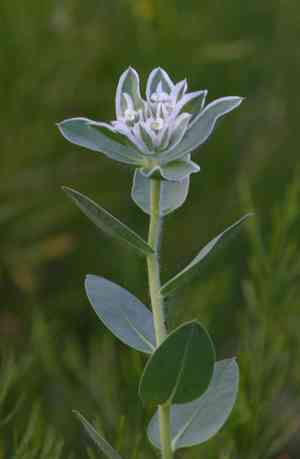
For prime health and vigorous development, Snow-on-the-mountain demands full sun exposure. This implies a minimum of six hours of direct sunlight daily. Ideally, place your plant where it can soak up morning sun and benefit from some afternoon shade to avoid extreme temperatures. Full sun encourages vibrant foliage and strong stems, allowing the plant to flourish and display its distinctive white-edged leaves.
Partial Shade Tolerance
While Snow-on-the-mountain prefers full sun, it can withstand partial shade. This is especially advantageous in regions with intense afternoon heat, as some shading can prevent leaf burn. Partial shade means the plant should still receive several hours of direct light, ideally in the morning, but be protected from the most intense midday rays. This adaptability makes Snow-on-the-mountain suitable for various garden environments.
Effects of Insufficient Sunlight on Snow-on-the-mountain
Reduced Growth
A primary impact of inadequate sunlight for Snow-on-the-mountain is diminished growth. Without sufficient light, the plant may grow slowly or appear stunted. Sunlight is vital for photosynthesis, the process plants use to create food. When Snow-on-the-mountain lacks enough light, its energy production decreases, leading to slower development and less robust plants.
Paler Foliage
A deficit of sunlight can cause Snow-on-the-mountain to exhibit lighter-colored foliage. The characteristic white leaf margins may lose vibrancy, and the overall leaf color can fade. This occurs because sunlight stimulates the production of chlorophyll, the pigment responsible for the green hue in plants. Without ample light, chlorophyll synthesis slows, resulting in paler and less striking leaves.
Disease Susceptibility
Inadequate sunlight can also render Snow-on-the-mountain more vulnerable to diseases. Plants weakened by insufficient light are less capable of warding off pathogens. Low light can create moist, shaded conditions ideal for fungal infections, increasing the probability of illness. Ensuring your Snow-on-the-mountain receives proper sunlight helps it remain strong and healthy.
Signs Snow-on-the-mountain is Getting Too Much Sunlight
Leaf Scorching
Leaf scorching is a clear indicator that your Snow-on-the-mountain is receiving excessive direct sunlight. This manifests as brown or singed edges on the leaves, signifying damage from overexposure to UV rays. If you observe this, try relocating the plant to a spot where it gets morning sun and is shielded from the harsh afternoon rays.
Wilting
Wilting is another symptom of excessive sun exposure for Snow-on-the-mountain. While wilting can sometimes stem from insufficient water, if accompanied by scorched leaves, it signals that the plant is getting too much sun. Ensuring the plant avoids overheating will help maintain its vigor and prevent further harm. Providing afternoon shade can be particularly beneficial in hot climates.
Best Practices for Positioning Snow-on-the-mountain in Your Garden
Ideal Garden Locations
When placing Snow-on-the-mountain in your garden, select a spot that receives abundant morning sunlight but is protected from intense afternoon heat. Edges of flowerbeds, borders, or areas near taller plants that offer filtered shade are excellent choices. This ensures the plant gets the necessary light for optimal growth while preventing potential leaf burn.
Adjusting for Seasonal Changes
Snow-on-the-mountain's light requirements may vary with the seasons. In spring and fall, the sun's intensity might be lower, allowing the plant to enjoy full sun all day. In summer, however, be mindful of afternoon exposure and provide some shade if necessary. You might need to move its location or offer temporary shade during the hottest parts of the day to keep it thriving.
Utilizing Artificial Lights for Snow-on-the-mountain
Types of Artificial Lights
If natural sunlight is lacking, artificial lights can supplement the illumination required for Snow-on-the-mountain. LED grow lights are highly efficient, emitting the precise spectrum for photosynthesis. Fluorescent lights are another viable option, providing broad-spectrum light that mimics natural sunlight. Ensure lights are positioned at an appropriate distance to prevent leaf burn.
Recommended Light Duration
For Snow-on-the-mountain under artificial lights, aim for approximately 12 to 14 hours of light daily. This duration helps emulate natural sunlight conditions and ensures the plant has ample time for photosynthesis. Employing a timer can help maintain a consistent light schedule, which is vital for healthy growth and development.



