How Much Sunlight Do Mottled spurge Need?
1
Mottled spurge flourishes optimally with ample direct sunlight, requiring a minimum of six hours daily.
2
This robust plant also endures partial sun, offering flexibility for various cultivation environments.
3
Effective light exposure is vital for preserving the vivid hues and vitality of your Mottled spurge.
Optimal Light Conditions for Mottled Spurge
Full Sun Requirement
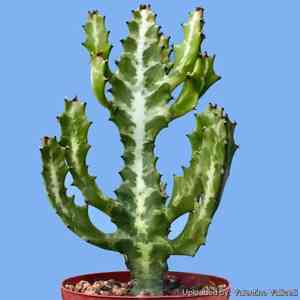
For peak development, Mottled spurge needs ample sunlight, meaning it should get at least six hours of direct sun daily. This exposure is crucial for the plant to keep its vivid, variegated look and robust structure. Full sun ensures Mottled spurge gathers sufficient energy for photosynthesis, vital for its growth and well-being.
Partial Sun Tolerance
While Mottled spurge flourishes in full sun, it can endure partial sunlight. This means it can still grow well with 3 to 6 hours of direct or filtered light. However, without enough light, the plant might not display its characteristic mottled pattern as brightly and could grow more slowly.
Indoor vs. Outdoor Lighting
When cultivating Mottled spurge indoors, place it near the brightest window available, ideally a south-facing one that receives several hours of sun each day. Outdoors, position it where it can soak up the full sun. The difference in light intensity between indoor and outdoor settings may necessitate supplementing indoor light with grow lights to meet the plant's demands.
Providing Optimal Sunlight
Plant Placement
Placement is key to ensuring your Mottled spurge gets the necessary sunlight. Outdoors, put the plant in a sunny spot where it can receive unfiltered sunlight for most of the day. Indoors, choose a bright room with direct sunlight and place the plant close to a window, ensuring it can absorb as much sun as possible.
Utilizing Grow Lights
If natural sunlight is insufficient, especially during shorter winter days, consider employing grow lights. Full-spectrum LED grow lights are an excellent option as they mimic natural sunlight and provide the essential light wavelengths for photosynthesis. Ensure your Mottled spurge receives at least 6-8 hours of light daily from these grow lights.
Managing Seasonal Light Changes
Sunlight availability shifts with the seasons, impacting indoor and outdoor Mottled spurge plants differently. During shorter winter days, when sunlight is scarce, move your plant to the brightest available spot or use grow lights to supplement the natural light. In the summer, observe the plant for any signs of stress from excessive direct sunlight, such as leaf scorch.
Indicators of Insufficient Sunlight
Recognizing Light Deficiency
Signs that your Mottled spurge isn't getting enough sunlight include etiolated growth, where stems become elongated and weak, and faded or dull leaf coloration. The plant might also exhibit slower development and reduced vitality.
Corrective Measures
To remedy inadequate sunlight, first move the plant to a brighter location. If growing indoors, a south or west-facing window is ideal. If sufficient natural light isn't accessible, invest in a good quality grow light. Ensure the plant receives the recommended 6-8 hours of light daily. Regularly monitor the plant's reaction to the new light conditions and adjust as needed.
Mottled Spurge and Sunlight FAQs
Can Mottled Spurge Handle Direct Sunlight?
Yes, Mottled spurge tolerates and thrives in direct sunlight. In fact, full sun exposure for at least 6 hours a day is crucial for maintaining its health and vibrant appearance.
How Many Hours of Sunlight Does Mottled Spurge Require Daily?
Mottled spurge flourishes with 6-8 hours of sunlight daily. This can be a combination of direct sunlight and supplemental light from grow lights if necessary.
Can I Grow Mottled Spurge Indoors Without Direct Sunlight?
While it's possible to cultivate Mottled spurge indoors without direct sunlight, it will necessitate supplemental lighting. Using full-spectrum grow lights can provide the essential light for the plant to thrive. Position the grow lights close to the plant and ensure it receives 6-8 hours of light daily.



