How Much Sunlight Do Euonymus hamiltonianus maackii Need?
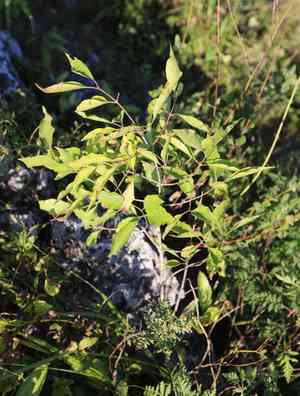
1
For optimal health, Euonymus hamiltonianus maackii flourishes in full sun, requiring a minimum of 6 hours of direct solar exposure each day.
2
Although it can withstand some shade, peak growth and brilliant leaf color are obtained with greater sun exposure.
3
Inadequate light may result in hindered development and dull leaves, so observe your plant consistently.
Understanding Light Needs for Euonymus hamiltonianus maackii
The Significance of Light for Robust Development
Light exposure is crucial for the development and vitality of Euonymus hamiltonianus maackii. This species, valued for its decorative appeal and striking foliage, depends heavily on adequate illumination to flourish. Light aids in cultivating sturdy stems and vibrant leaves, key indicators of a healthy specimen. Without sufficient light, Euonymus hamiltonianus maackii may develop elongated, frail growth and become susceptible to ailments.
Photosynthesis and Its Contribution to Plant Vitality
Photosynthesis is the fundamental process by which Euonymus hamiltonianus maackii converts solar energy into chemical energy to fuel its growth. During this process, chlorophyll within the leaves captures light energy, utilizing it to transform carbon dioxide and water into glucose and oxygen. This glucose supplies the energy needed for various plant functions, while oxygen is released into the atmosphere. Ample light ensures efficient photosynthesis, fostering strong and vigorous growth.
Exact Light Requirements for Euonymus hamiltonianus maackii
Optimal Light Exposure Duration
Euonymus hamiltonianus maackii thrives in full sun, meaning it requires a minimum of 6 hours of direct sunlight daily. Ideally, positioning the plant in an area that receives sunlight from morning until early afternoon will provide the necessary light for peak growth. Although it can tolerate partial sun, which is roughly 3-6 hours of direct sunlight, aiming for full sun conditions will produce the best outcomes.
Indicators of Excessive Light
Excessive light can cause stress in Euonymus hamiltonianus maackii, resulting in scorched leaves and sun damage. Watch for symptoms such as browning edges, faded spots, and leaf drop. If these signs appear, consider offering temporary shade or moving the plant to a location with less intense sunlight during the brightest parts of the day.
Indicators of Insufficient Light
Inadequate light can lead to stunted development and dull foliage for Euonymus hamiltonianus maackii. Look for symptoms like elongated stems, smaller leaves, and a loss of leaf vibrancy. If your plant exhibits these signs, try relocating it to a brighter spot with more direct sunlight and observe its improvement.
Optimal Siting for Euonymus hamiltonianus maackii
Prime Locations in Your Outdoor Space
When selecting a site for Euonymus hamiltonianus maackii in your garden or yard, seek out areas that receive full sunlight. Ideal positions include south-facing spots that are exposed to solar rays for most of the day. Avoid planting it too near to taller flora or structures that might cast shadows and diminish its light exposure.
Adjusting Placement Based on Seasonal Changes
Seasonal shifts can influence light intensity and duration. During summer months, sunlight is more potent, and you might need to provide some cover during peak hours. In winter, as the sun's angle changes, you may need to reposition the plant or trim nearby vegetation to prevent shadows. Remain attentive and modify the plant's location as needed to ensure consistent light exposure.
Maximizing Light Exposure for Euonymus hamiltonianus maackii
Employing Reflectors and Other Devices
To boost light exposure, consider utilizing garden reflectors or reflective surfaces such as white walls or fences near the plant. These can help direct additional light onto Euonymus hamiltonianus maackii, especially in areas where light is partially blocked.
Pruning Strategies to Optimize Light
Routine pruning can prevent congestion and guarantee that all parts of Euonymus hamiltonianus maackii receive ample light. Remove any dead or excess branches to encourage better light penetration and air circulation throughout the plant. This will also help reduce the likelihood of fungal infections.
Common Errors to Avoid with Euonymus hamiltonianus maackii Light Needs
Overexposure: Too Much Light
A common misstep is exposing Euonymus hamiltonianus maackii to excessive light without providing any relief. While the plant thrives in full sun, placing it in harsh, all-day sun, particularly in mid-summer, can damage its leaves. Always observe your plant and make adjustments as necessary to prevent sun damage.
Underexposure: Too Little Light
Another frequent error is situating Euonymus hamiltonianus maackii in areas with insufficient light. This can result in weak development and poor foliage. Ensure that the plant receives at least the minimum required light by monitoring its condition and altering its placement if needed.



