How Much Sunlight Do Large-leaved spindle Need?
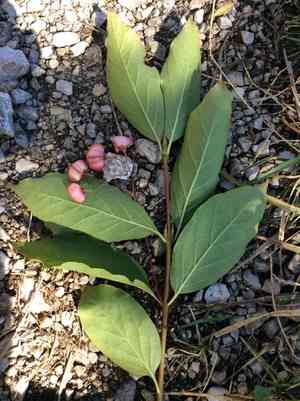
1
The Large-leaved spindle flourishes with ample sunlight, requiring over six hours of direct sun each day.
2
Insufficient light can hinder the Large-leaved spindle's development, resulting in thin, fragile stems.
3
Some shade is acceptable, though it's not optimal for peak growth and vitality.
Grasping Light Needs for Large-leaved spindle
Optimal Illumination for Large-leaved spindle Development
The Large-leaved spindle, a striking garden specimen, requires specific light conditions to thrive. This plant flourishes best in full sun, needing over 6 hours of direct sunlight daily. Full sun exposure encourages healthy foliage, vibrant hues, and vigorous growth. Without sufficient light, the plant may not reach its full potential, leading to a less dense and appealing appearance.
Effects of Insufficient Light
Inadequate sunlight can significantly impact your Large-leaved spindle's health and development. When deprived of proper light, you might observe the plant's leaves becoming sparse, and its branches may grow thinly and elongated as it stretches toward any available light source. This lack of vitality can also result in fewer blooms and fruits, diminishing its aesthetic appeal and garden presence.
Ideal Light Exposure
Direct vs. Diffused Light
While the Large-leaved spindle thrives in direct sunlight, it can also endure some diffused light conditions. Direct sunlight means full exposure to the sun's rays without obstruction, which is perfect for this plant. However, if full sun isn't an option, placing the plant in an area with diffused light can still support its growth. Be aware that diffused light might lessen the foliage's density and vibrancy.
Seasonal Considerations for Light
Seasonal shifts can influence the light availability for your Large-leaved spindle. During summer, ensure the plant receives ample direct sunlight to support its growth cycle. In winter months, when daylight hours are shorter, consider moving the plant to capture maximum sunlight or use artificial grow lights to supplement natural light. This seasonal adjustment helps maintain the plant's health year-round.
Perfect Spots for Large-leaved spindle
Best Outdoor Locations
For outdoor planting, the Large-leaved spindle should be situated where it can receive full sun for most of the day. Ideal spots include south or west-facing gardens, where the plant can soak in direct sunlight throughout the afternoon. Ensure the location isn't shaded by taller plants or structures, which could limit light exposure. Well-drained soil in these sunny areas will also help prevent waterlogging and root rot, further promoting healthy growth.
Indoor Placement Advice
When cultivated indoors, the Large-leaved spindle should be positioned near a bright window, ideally one facing south or west. If the plant isn't getting enough natural light through the window, consider using full-spectrum grow lights to mimic natural sunlight. Rotate the plant regularly to ensure even light distribution on all sides, preventing one part from growing unevenly due to unequal light exposure.
Monitoring and Adjusting Light
Signs Your Large-leaved spindle is Receiving Too Much Sun
While the Large-leaved spindle enjoys abundant sunlight, excessive exposure can lead to scorched leaves. You'll notice symptoms like browning, curling, or crispy leaf edges. Extreme heat can also cause wilting despite adequate watering. If these signs appear, it might be beneficial to provide some afternoon shade or use a light shade cloth to filter the sun's intensity.
Adapting Light Conditions
Properly adjusting light exposure is vital for your Large-leaved spindle's well-being. If the plant isn't getting enough sunlight, gradually relocate it to a brighter spot, avoiding abrupt changes that can stress the plant. For indoor plants, consider moving them closer to windows or increasing artificial light during shorter days. When transitioning from low light to full sun, acclimate the plant to direct sunlight over a few weeks to prevent shock and sunburn.



