How Much Sunlight Do Wintercreeper Need?
1
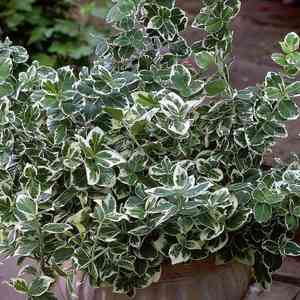
Wintercreeper flourishes optimally with partial sun exposure, needing roughly 3-6 hours of daylight daily.
2
This adaptable plant can also endure both complete sun and full shadow environments.
3
Adequate light guarantees lush, vivid leaves for your Wintercreeper.
Optimal Light Conditions for Wintercreeper
Full Sun Tolerance
A notable attribute of the Wintercreeper is its capacity to adapt to diverse lighting conditions. It thrives in full sun, meaning it gets direct sunlight for a minimum of six hours daily. When grown in full sun, the plant develops a robust and dense habit. Its foliage becomes more vivid, often showing richer shades. However, consistent and thorough watering is essential in these circumstances to prevent rapid soil desiccation.
Partial Shade Suitability
For gardens that don't receive full sun all day, Wintercreeper remains an excellent choice. It performs well in partial shade, requiring approximately 3-6 hours of daylight. Morning sun and afternoon shade are perfect. This balance aids in maintaining the plant’s hydration and protects leaves from scorching. Many cultivators prefer partial shade for Wintercreeper as it fosters vibrant foliage without the stress of extreme heat.
Recognizing Appropriate Sunlight Exposure
Indicators of Ideal Sunlight
When your Wintercreeper receives the correct amount of light, several signs indicate healthy development. Leaves will appear lush and vivid, and the plant will exhibit vigorous, steady growth. You'll observe uniform color distribution across the foliage, free from any scorched or bleached areas. Furthermore, the plant's stems and branches should be robust and strong.
Symptoms of Excessive Sun
Too much sunlight can cause several problems for the Wintercreeper. If continuously exposed to intense sun, leaves might show signs of sunburn, appearing brown or crisp at the edges. You might also notice the foliage becoming pale or yellowish, indicating stress. It's crucial to relocate the plant to a slightly shadier spot or provide some afternoon shade to avoid these issues.
Symptoms of Insufficient Sun
Inadequate sunlight can present different challenges. If the Wintercreeper doesn't receive enough light, it may become leggy, with elongated, weak stems. Leaves might turn darker green but could lose their vibrancy and become sparse. Limited growth and fewer new shoots are common indicators of insufficient light. Providing more illumination, either by repositioning or using supplemental lighting, can help resolve these problems.
Positioning Your Wintercreeper for Optimal Sunlight
Outdoor Placement Considerations
When planting your Wintercreeper outdoors, consider a location that receives morning sun and afternoon shade. This ensures adequate light exposure without the risk of overheating. In areas with intense afternoon sun, providing some shade with taller plants or structures can help protect the Wintercreeper and maintain its vitality.
Indoor Placement for Proper Light
If cultivating Wintercreeper indoors, selecting the right spot is key. Placing it near a window with filtered light, such as an east- or west-facing window, can supply the necessary illumination without exposing the plant to harsh, direct sunlight. Regular rotation of the plant ensures uniform light exposure, preventing uneven development.
Utilizing Supplemental Light Sources
In situations where natural light is inadequate, particularly indoors, artificial light sources offer a great alternative. Full-spectrum grow lights are ideal as they replicate natural sunlight. Position the lights approximately 6-12 inches (15-30 cm) above the plant and keep them on for about 12-16 hours daily. Maintaining a consistent light cycle promotes healthy growth and vibrant foliage.
Seasonal Light Adaptations for Wintercreeper
Winter Light Requirements
During colder months, Wintercreeper will require as much sunlight as possible due to reduced daylight hours. If grown indoors, move it closer to windows to receive maximum daylight. Supplementing with artificial lights can also help sustain its growth and maintain vibrant foliage even during darker winter periods.
Summer Light Adjustments
In summer, sunlight intensity and duration increase. For outdoor Wintercreeper, it might be necessary to adjust its placement to avoid harsh afternoon sun. Employing shade cloths or strategically planting other taller plants nearby can offer the needed protection. Ensure the soil remains moist, as higher temperatures accelerate water evaporation.



