How Much Sunlight Do European spindletree Need?
1
European spindletree flourishes optimally with ample direct sunlight, needing over six hours of sun exposure each day.
2
Insufficient light can result in diminished development and sparse leaves for European spindletree.
3
Supplying supplemental lighting can assist during periods of reduced natural light.
What are the Sunlight Requirements for European spindletree?
Optimal Sunlight Exposure
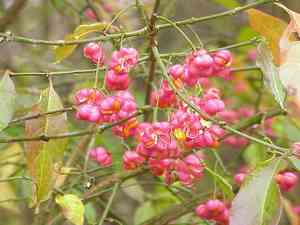
The European spindletree thrives with ample direct sunlight, meaning over six hours daily. This ideal light is vital for the robust development of its vivid pink fruits and the striking orange seeds within. Placing your European spindletree where it receives abundant morning sun and some afternoon shade can be beneficial in climates with intense, hot afternoon sun.
Impact of Too Much Sunlight
While the European spindletree enjoys sun, excessive exposure, particularly in extreme heat, can cause leaf scorch and burned edges. This can negatively affect the plant's appearance and vitality. In regions with strong midday sun, offering afternoon shade or using a shade cloth during peak heat can help lessen these effects.
Impact of Insufficient Sunlight
When the European spindletree lacks adequate sunlight, its ability to photosynthesize effectively is hindered. This deficit often results in spindly, weak growth, pale or yellowing foliage, and a general lack of vigor. Ensuring your plant receives at least a few hours of direct sunlight daily is crucial for maintaining its health and vibrancy.
How to Ensure Proper Sunlight for European spindletree?
Choosing the Right Location
Selecting the ideal spot for your European spindletree involves evaluating your garden's sunlight patterns. Ideally, choose an area that gets full morning sun and partial shade during the hottest part of the afternoon. This balance meets the plant's light needs while protecting it from potential sun damage.
Adjusting for Seasonal Changes
Seasonal shifts can impact the quantity and intensity of light your European spindletree receives. In summer, with stronger sun, more frequent watering may be necessary to prevent dehydration. During winter, when sunlight is weaker and shorter, consider moving potted plants to brighter spots or using reflective surfaces to maximize available light.
Using Artificial Light Sources
In environments where natural sunlight is insufficient, especially during colder months, artificial light sources can be helpful. Full-spectrum LED grow lights can mimic natural sunlight, ensuring your European spindletree gets the light it requires. Position lights about 30â45 cm (12â18 inches) above the plant and use them for 12-14 hours daily to supplement natural light.
Common Sunlight Issues and Solutions for European spindletree
Sunburn Symptoms and Remedies
Sunburned leaves on a European spindletree appear as brown, crispy patches, often starting at the edges. To address this, move the plant to a slightly shadier spot and trim damaged leaves to encourage new growth. Maintaining a consistent watering schedule can also aid its recovery.
Signs of Light Deficiency
If your European spindletree isnât receiving enough light, you might observe elongated stems and sparse foliage, a condition known as etiolation. Yellowing leaves and slower growth are also common indicators. To correct this, try relocating the plant to a brighter area or supplementing with grow lights to ensure it gets sufficient illumination.
Balancing Sunlight with Other Care Requirements
Harmonizing the European spindletree's sunlight needs with its watering and feeding requirements is essential for its overall well-being. Always check soil moisture to prevent overwatering, especially in shaded areas where soil dries out more slowly. Fertilize your plant with a balanced, slow-release product during the growing season to support its growth and resilience.



