How Much Sunlight Do Burning bush Need?
1
Burning bush plants flourish with ample direct sunlight, though they can endure some filtered light.
2
For optimal growth, ensure exposure to a minimum of six hours of unfiltered daylight each day.
3
Adjustments to light conditions can resolve problems caused by too much or too little sun.
What is the Optimal Solar Exposure for Euonymus alatus?
Full Light vs. Partial Illumination
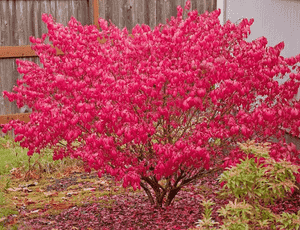
An Euonymus alatus flourishes with full sun, meaning it requires a minimum of six hours of direct sunlight daily. While these plants can withstand some partial shade, positioning them in full sun conditions will encourage the most vivid leaf coloration and vigorous development. Sunny garden locations can yield a robust and abundant plant, but if full sun isn't achievable, ensure your shrub still receives significant light throughout the day.
Seasonal Light Requirements
The amount of sunlight an Euonymus alatus needs can fluctuate slightly with the changing seasons. During spring and summer, when days are longer and sunlight is more potent, full sun supports the plant's growth spurts. In autumn and winter, with shorter days, the Euonymus alatus may adapt to less light but still requires exposure to thrive in cooler temperatures. Understanding these seasonal shifts helps in planning its placement or relocating containerized plants to prime spots.
Optimizing Your Euonymus alatus's Sun Exposure
Analyzing Sunlight Patterns in Your Outdoor Space
To guarantee your Euonymus alatus receives the perfect amount of sunlight, it's crucial to comprehend the sun patterns in your garden. Observe which areas get the most sunlight throughout the day and pinpoint those best for planting. Typically, south-facing locations will experience the most consistent sunlight during daylight hours. By mapping these patterns, you can strategically position your Euonymus alatus for maximum solar exposure.
Preventing Excessive Exposure and Sun Damage
While Euonymus alatus plants enjoy sun, too much direct sunlight can sometimes cause leaf burn, especially during the peak summer months. This overexposure appears as bleached, scorched patches on the foliage. To prevent this, consider placing the shrub where it gets morning sunlight and some afternoon shade, particularly if you reside in hotter climates. Providing a degree of partial shade can help shield your plant from the hars most intense sun while still supplying enough light for healthy growth.
Typical Sunlight-Related Problems for Euonymus alatus
Indicators of Inadequate Sunlight
An Euonymus alatus lacking sufficient sunlight will display noticeable symptoms. The most common sign of insufficient light is a dullness in the foliage's vibrant hue. Instead of brilliant red leaves, the shrub might produce muted or faded colors. Additionally, stunted growth and sparse foliage can signal that the plant isn't getting enough light. If these issues appear, re-evaluate your plant's location and consider moving it to a sunnier spot.
Indicators of Excessive Sunlight
Conversely, too much sunlight can lead to other issues like leaf scorch or sun damage. This condition is marked by dry, crispy edges or white spots on the leaves. Overexposure might also cause the leaves to wilt and drop prematurely. If your Euonymus alatus is exhibiting these signs, it may be time to create some artificial shade or relocate the plant to an area with less intense sunlight during the hottest part of the day.
Adapting Plant Care Based on Solar Availability
Enhancing Light in Dimly Lit Areas
If your garden doesn't naturally provide adequate sunlight, especially in urban or shaded environments, you can supplement the light for your Euonymus alatus with grow lights. These specialized lights can mimic the sun's spectrum and intensity, helping your shrub receive the necessary amount of illumination. Set up the lights on timers to ensure the plant gets a consistent six to eight hours of light daily. This approach can be particularly beneficial during winter's shorter days.
Providing Shade in Highly Sunny Locations
In areas with prevalent and intense sunlight, creating some shade is crucial to protect your Euonymus alatus from overexposure. Utilize garden structures like pergolas or shade cloths to filter the harsh rays. Planting taller plants or trees nearby can also offer natural, dappled shade, effectively moderating the light intensity reaching your shrub. The goal is balance, ensuring the plant receives enough light without suffering from direct, scorching sun all day.



