How Much Sunlight Do Loquat Need?
1
Loquat trees flourish when exposed to more than 6 hours of direct sun each day.
2
Loquats can withstand partial shade, though optimal growth occurs in full sunlight.
3
For indoor Loquat trees, bright, diffused light near a south-facing window is essential.
Optimal Illumination for Loquat Cultivation
Direct Sunlight Versus Partial Shading
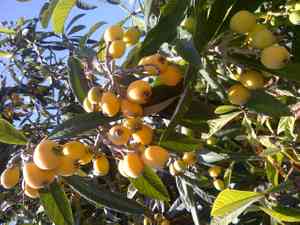
When cultivating Loquat trees, providing adequate sunlight is paramount. These trees thrive best in conditions of full sun, necessitating over 6 hours of direct solar exposure daily. Nevertheless, they can endure partial shade, which may be advantageous in exceptionally hot regions to shield the tree from sunburn during the afternoon. Crucially, while Loquat trees can survive in partial shade, their development, fruit yield, and general vitality are maximized with full sun exposure.
Seasonal Shifts in Illumination
Loquat trees naturally adapt to changes in light throughout the seasons. During summer, the longer daylight hours foster their vigorous development and fruit-bearing activities. In winter, although growth decelerates due to shorter days, it remains vital for the tree to receive ample sunlight. Adjustments might include moving potted Loquat trees to brighter locations or pruning nearby vegetation that obstructs light.
Indoor Illumination Requirements
Cultivating Loquat trees indoors presents a rewarding endeavor. These trees demand strong, indirect illumination, ideally positioned near a south-facing window. If natural light proves insufficient, especially during darker winter periods, supplementing with grow lights can ensure the Loquat tree obtains the requisite 6+ hours of light. Regular rotation of the plant can promote uniform growth and prevent leaning toward the light source.
Required Duration of Direct Sunlight
Daily Hours of Direct Sunlight
Loquat trees necessitate a minimum of 6 hours of direct sunlight daily to flourish. This level of solar exposure facilitates optimal photosynthesis, encouraging robust foliage and plentiful fruit production. For peak advantage, situating the tree in a spot that receives morning sun can help prevent leaf scorch from intense afternoon rays.
Consequences of Insufficient Illumination
Inadequate sunlight can significantly impair the health and productivity of a Loquat tree. Reduced light exposure frequently results in slower growth, fewer blossoms and fruits, and decreased tree vigor. The tree's leaves may become pale or develop weak, leggy branches. Therefore, it is essential to closely monitor sunlight levels and make necessary adjustments to maintain the tree's health.
Indicators Your Loquat Needs More Light
To ascertain if your Loquat tree requires more sunlight, observe several key indicators. These include elongated, sparse growth (also known as etiolation), pale or yellowing leaves, absence of flowering, and poor fruit yield. If these symptoms are apparent, attempt to reposition your tree to a sunnier location or trim overhanging branches that may be blocking light, ensuring the tree receives the necessary sunlight to prosper.
Optimal Siting for Loquat Trees
Outdoor Placement Recommendations
When planting a Loquat tree outdoors, select a location with full sun exposure throughout the day. Avoiding excessively shaded areas, even if they offer some respite from intense afternoon sun, can aid in achieving peak growth. In regions with exceptionally hot climates, choosing a site that provides some afternoon shade can prevent heat stress. Additionally, ensure good air circulation around the tree to minimize the risk of fungal diseases.
Indoor Placement Recommendations
For indoor Loquat trees, strategic positioning is vital. Place the tree near a south or southwest-facing window where it can receive ample indirect light. If natural light is limited, consider utilizing full-spectrum grow lights. Maintain consistent soil moisture but avoid waterlogged conditions, and keep a stable indoor temperature. Rotate the tree regularly to ensure even light distribution, fostering uniform development.
Cultivating Ideal Light Conditions
Establishing the perfect light conditions for a Loquat tree involves more than just selecting the right spot. Routine upkeep, such as pruning surrounding flora, ensures they do not overshadow your Loquat. For indoor specimens, combining natural light with artificial grow lights can provide a balanced light source year-round. Monitoring light exposure with a light meter can help determine if adjustments are needed to optimize the tree's growing environment.
Light Adaptations for Various Growth Stages
Light Requirements for Seedling Stage
Loquat tree seedlings are particularly sensitive to light conditions. They require intense, indirect light and can benefit from 12-16 hours of daily illumination from grow lamps to support their development. Ensure the light source is not positioned too closely to avoid scorching the delicate plants while promoting robust, healthy growth.
Light Demands of Mature Trees
Mature Loquat trees flourish in full sun, needing at least 6 hours of direct sunlight daily to maintain their health and productivity. Ensuring the tree is planted or situated where it receives abundant sunlight will encourage stronger branches, luxuriant foliage, and plentiful fruit production. Consistent monitoring and adjustments to light exposure can help mitigate the effects of seasonal variations.
Adjusting Light During Fruit Production
During the fruiting phase, Loquat trees can benefit from slightly more regulated light conditions. While they still require full sun, ensuring protection from extreme midday heat can prevent damage to fruits and leaves. Gentle morning sun complemented by light afternoon shade can yield the best fruit production without unduly stressing the tree.



