How Much Sunlight Do Abyssinian banana Need?
1
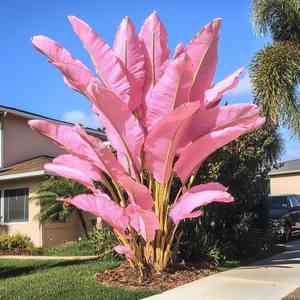
The Abyssinian banana flourishes optimally when exposed to over 6 hours of daily sun.
2
This heat-loving plant tolerates some shade but truly prefers abundant sunshine.
3
Guard against sun damage; excessive direct light can injure the Abyssinian banana.
Deciphering Abyssinian banana Illumination Needs
Ideal Light Conditions
For optimal growth, the Abyssinian banana requires significant daily sun exposure. It flourishes in full sun, meaning it should receive more than 6 hours of direct sunlight every day. This is vital for its development, fueling the creation of robust leaves and a sturdy stem. However, in extremely hot and dry climates, offering some afternoon shade can shield the plant from harsh solar rays.
Consequences of Insufficient Light
An inadequate amount of sunlight can lead to various developmental problems for the Abyssinian banana. Without ample light, the plant may exhibit stunted growth, producing smaller foliage and a thinner trunk. Furthermore, the vibrant green hue of its leaves might diminish, appearing pale or yellowed. Ensuring sufficient light is critical for maintaining its health and visual appeal.
Indicators of Overexposure
While the Abyssinian banana enjoys abundant sunlight, excessive direct exposure, particularly during intense midday periods, can cause harm. A primary sign of overexposure is sun scorch, characterized by brown, crispy leaf edges. To prevent this, it's wise to observe the plant, especially on exceptionally hot summer days, and provide some shade if necessary.
Seasonal Light Adaptations for Abyssinian banana
Summer Light Requirements
During the warmer months, the Abyssinian banana benefits from extended daylight. Yet, as temperatures climb, sun intensity also increases. To prevent leaf burn, consider placing your plant where it can catch morning sunlight and receive some afternoon shade. This balance fosters healthy growth while preventing the detrimental effects of excessive exposure.
Winter Light Adjustments
In winter, the available sunlight diminishes, which can impact the Abyssinian banana. During this period, it's crucial to maximize light exposure. Position your plant in the brightest available spot, such as a south-facing window. Additionally, if you're in a region with very short days, think about using artificial grow lights to ensure the plant receives enough illumination.
Optimal Practices for Abyssinian banana Lighting
Garden Placement
Selecting the appropriate garden location is essential for the Abyssinian banana. Ideally, place it in an area that receives full sun for most of the day. If such a spot isn't available, aim for a location that gets at least 6 hours of direct sunlight. Be mindful of nearby trees or structures that could cast shadows, reducing the plant's light intake.
Utilizing Supplemental Lighting
Sometimes, natural light might be insufficient, especially indoors or during winter. In these situations, artificial lighting can be beneficial. LED grow lights are an effective solution to provide the necessary light spectrum for the Abyssinian banana. Ensure these lights are positioned correctly, offering the plant about 12-16 hours of light daily to simulate its natural light cycle.
Balancing Light and Shade
Achieving a balance between light and shade is crucial, particularly in areas with intense sun. While the Abyssinian banana thrives in full sun, providing intermittent shade can prevent sunburn, especially on scorching days. Employ shade cloths or strategically plant near taller species that can offer some relief during peak sun hours.
Addressing Common Lighting Issues with Abyssinian banana
Sunburn and Leaf Browning
A frequent problem from excessive sunlight is sunburn, evidenced by brown, dried leaf edges. To correct this, relocate the plant to a partially shaded area during the hottest parts of the day. Also, ensure it receives adequate hydration to help it better tolerate the heat.
Stunted Development and Pale Foliage
If your Abyssinian banana isn't getting enough light, it may grow slowly and develop pale, yellowish leaves. To rectify this, gradually move the plant to a brighter spot, allowing it to adapt to the increased light. Alternatively, consider using grow lights to supplement natural light, ensuring the plant gets the energy it requires.



