How Much Sunlight Do Chinese emmenopterys Need?
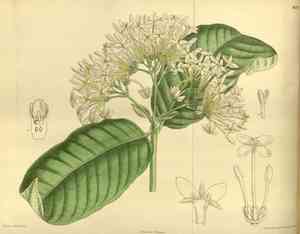
1
The Chinese emmenopterys flourishes with a combination of direct sunlight and some filtered light, requiring more than six hours of light exposure overall.
2
Protect Chinese emmenopterys from intense midday sun to avoid burning its foliage.
3
For indoor cultivation, positioning Chinese emmenopterys by an east-facing window typically offers optimal lighting.
Optimal Light Conditions for Chinese Emmenopterys
Recommended Daily Light Duration
The Chinese emmenopterys thrives with substantial light but needs a delicate balance. For best development, aim to give the plant at least six hours of sunlight daily. Gentle morning light or late afternoon rays are preferred. If growing outdoors, ensure this duration for robust growth and its characteristic white blooms.
Seasonal Light Requirement Adjustments
Seasonal shifts impact light levels, and your Chinese emmenopterys's needs will vary throughout the year. During spring and summer, when the sun is strong, a blend of full sun and partial shade is best. In autumn and winter, with weaker sunlight, the plant can handle more direct exposure without harm. Adapt its placement to maintain health all year.
Shading and Light Strength for Chinese Emmenopterys
The Role of Partial Protection
While Chinese emmenopterys flourishes in bright areas, partial shade is vital for its overall health. Too much direct light, especially during peak midday hours, can stress the plant and cause leaf damage. Therefore, providing filtered light or a spot with dappled shade can safeguard its delicate leaves, encouraging lush growth and vibrant foliage.
Avoiding Intense Midday Sun
Harsh midday sun can be intense and potentially damaging for Chinese emmenopterys. To prevent leaf burn and other sun-related issues, it's best to shield the plant from strong rays between 11 AM and 3 PM. Utilize garden features like pergolas, trellises, or even natural cover from taller plants to provide necessary protection during these peak light periods.
Best Outdoor and Indoor Spots for Chinese Emmenopterys
Outdoor Siting Suggestions
When placing Chinese emmenopterys outdoors, consider an area that receives morning light and afternoon shade. Garden edges or corners with eastern or northeastern sun exposure generally work well. This positioning ensures your plant gets ample light while being protected from the most intense rays, fostering healthy development.
Indoor Light Considerations
Growing Chinese emmenopterys indoors requires strategic placement to simulate outdoor conditions. An east-facing window is ideal, offering gentle morning light without the risk of midday scorching. If an east-facing option isn't available, a west-facing window with diffused light can also be suitable, especially with sheer curtains to soften the sun's intensity.
Indicators of Light Stress in Chinese Emmenopterys
Recognizing Sunburn and Leaf Damage
Light stress in Chinese emmenopterys often appears as leaf burn or scorching. If you observe brown, crispy edges or white, bleached areas on the leaves, your plant is likely receiving too much direct sun. Promptly move it to a more shaded location to prevent further harm and aid its recovery.
Symptoms of Insufficient Light
Inadequate light can be equally harmful to Chinese emmenopterys. Signs of insufficient light include leggy stems, small foliage, and a lack of blossoms. If your plant displays these symptoms, gradually increase its light exposure. Moving it to a brighter spot or optimizing indoor lighting can help restore its vigor.
Adjusting Light Exposure for Chinese Emmenopterys
Using Shade Fabrics or Mesh
Managing the light exposure for Chinese emmenopterys can be effectively achieved with shade cloths or netting. These materials can filter out excessive light while allowing adequate illumination to pass through. Placing them over the plant during the hottest parts of the day ensures it gets needed light without the risk of scorching.
Relocating the Plant for Optimal Light
Sometimes a simple adjustment like repositioning the plant can make all the difference. Observe the light patterns in your garden or indoor area and move your Chinese emmenopterys accordingly. If it's in a pot, use its portability to shift it to a spot where it receives balanced light throughout the day, promoting strong and healthy growth.



