How Much Sunlight Do Eastern bottle-brush grass Need?
1
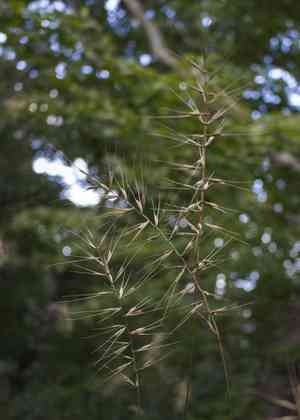
Eastern bottle-brush grass flourishes with approximately 3-6 hours of daily sun exposure.
2
While this grass can endure direct sun, it achieves peak growth in areas with some shade.
3
Effective light control contributes to the vitality and look of Eastern bottle-brush grass.
Ideal Light Conditions for Eastern bottle-brush grass
Preferred Light Exposure
Regarding optimal light conditions, Eastern bottle-brush grass is quite adaptable. This grass thrives in settings offering partial sun, meaning it should get around 3-6 hours of daylight daily. Achieving the right balance is crucial, as excessive direct sun can harm the plant, while too little can hinder its development. In its native environment, Eastern bottle-brush grass often grows beneath the filtered light of trees.
Growth Performance in Varied Light
Eastern bottle-brush grass shows notable differences in growth based on light exposure. In partial sunlight, you'll observe lush, vibrant foliage with healthy growth patterns. However, when grown in full sun, especially if relentless, the grass may become stressed and appear paler. Conversely, in too much shade, the plant might exhibit elongated growth and a reduction in its characteristic bushy form.
How Light Impacts the Health of Eastern bottle-brush grass
Photosynthesis Efficiency
Sunlight is vital for the photosynthesis process in Eastern bottle-brush grass. Sufficient light ensures the grass produces enough sustenance for itself, promoting robust growth. Photosynthesis rates are best when the plant receives partial sun, aiding in the development of strong, green foliage. Insufficient light, conversely, can lead to reduced photosynthetic activity, impeding the plant's growth and vitality.
Chlorophyll Production and Leaf Hue
The amount of sunlight Eastern bottle-brush grass receives directly influences its chlorophyll production and, consequently, its leaf color. Under ideal partial sunlight, the grass generates ample chlorophyll, resulting in a rich green shade. Overexposure or lack of light can disrupt chlorophyll synthesis, causing pale or yellowing leaves. Maintaining proper light conditions is essential for the grass to look its best.
Best Practices for Managing Light for Eastern bottle-brush grass
Strategic Placement
Selecting the correct planting spot is fundamental for managing the light exposure of Eastern bottle-brush grass. Ideally, position the grass where it can receive morning sun and some afternoon shade. Planting under deciduous trees can be advantageous as they provide filtered sunlight, mimicking the plant's natural habitat. This balance helps prevent overexposure while ensuring adequate light for photosynthesis.
Seasonal Light Adjustment
Light levels fluctuate with seasons, and adjusting accordingly can optimize the health of Eastern bottle-brush grass. During peak summer, consider using a shade cloth or moving potted plants to a less intense light area. In winter, ensure the grass receives as much natural light as possible, especially in regions with shorter daylight hours. Such seasonal adjustments help the grass adapt to changing light conditions, maintaining its vigor year-round.
Utilizing Supplemental Lighting
In environments where natural sunlight is inadequate, particularly indoors, artificial light sources can be a beneficial alternative. LED grow lights or fluorescent tubes can supplement natural light, providing the necessary spectrum for Eastern bottle-brush grass to flourish. Position the artificial lights approximately 15-20 centimeters (6-8 inches) above the plant, replicating the duration and intensity of partial sun exposure.
Common Errors in Light Management for Eastern bottle-brush grass
Excessive Direct Sunlight
A common error in managing light for Eastern bottle-brush grass is overexposure to direct sunlight. Prolonged and intense sun can lead to scorched leaves and stressed plants. To prevent this, ensure the grass is not left in full, unfiltered sunlight, especially during peak afternoon hours. Monitoring light exposure and providing occasional shade can help avoid this issue.
Insufficient Light: Indicators and Symptoms
Another frequent mistake is providing insufficient light, which can be equally harmful. Signs that Eastern bottle-brush grass is not getting enough light include leggy growth, pale leaves, and a general decline in vitality. If these symptoms appear, reevaluating the plant's location and ensuring it receives 3-6 hours of sunlight daily can help rectify the situation.



