How Much Sunlight Do Pride of madeira Need?
1
Pride of Madeira flourishes optimally with a minimum of six hours of direct sun daily.
2
Some shade is acceptable, though it might lead to less robust development.
3
Using reflective ground cover can enhance the amount of sunlight your plants receive.
Optimal Light Requirements for Pride of Madeira
Full Sun for Best Development
The Pride of Madeira thrives with ample sun exposure. This heliophilic plant needs at least six hours of direct sunlight daily for prime growth. Positioning your Pride of Madeira where it can absorb the sun's rays will foster robust stems and abundant, vivid blooms.
Why Direct Light is Crucial
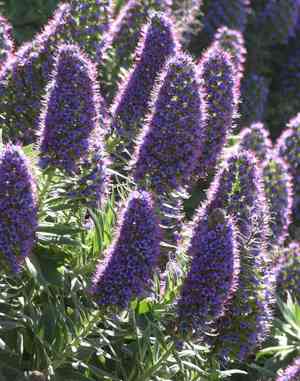
Direct sunlight supplies the energy vital for photosynthesis, the process by which plants convert light into sustenance for growth. For Pride of Madeira, direct sun not only supports this key function but also helps maintain its striking blue-purple flower spikes that attract pollinators. Insufficient light can result in spindly growth and fewer flowers.
Effects of Insufficient Light
When Pride of Madeira lacks adequate sunlight, its growth is hindered. Poor light can cause several issues, including stunted development, fewer blooms, and increased vulnerability to diseases. Ensuring your plant receives enough light will prevent these problems and keep it healthy and vibrant.
Evaluating Your Garden's Light for Pride of Madeira
Measuring Light Duration
To determine if your garden location suits Pride of Madeira, begin by assessing its light reception. Observe the sun exposure in the chosen area throughout the day, tallying the hours of direct sunlight. A spot receiving six or more hours of direct sun is ideal.
Selecting the Prime Location
Choose a garden spot that gets the most sunlight. Ideally, a south-facing position will offer the most consistent and extended exposure. If full sun isn't possible, opt for a location with morning light and avoid those heavily shaded in the afternoon.
Seasonal Light Fluctuations
Remember that sun exposure changes with the seasons. During winter, sunlight is less intense and days are shorter, which might impact Pride of Madeira. To compensate, monitor the plant's light exposure and consider supplementary lighting if needed to sustain healthy growth.
Strategies to Maximize Sunlight for Pride of Madeira
Trimming Nearby Plants and Trees
An effective way to boost sunlight for your Pride of Madeira is to prune back any overhanging branches or adjacent plants that create shade. This allows more light to reach the plant, especially during peak sun hours.
Utilizing Reflective Ground Cover
Another innovative method to enhance light exposure is to use reflective mulch. This type of ground cover can help by bouncing additional light onto the plant, ensuring it receives the maximum possible sunlight throughout the day.
Adjusting Plant Placement as Required
Finally, don't hesitate to reposition your Pride of Madeira if necessary. If you observe that the plant isn't getting enough light in its current spot, try moving it to a sunnier location. Regularly assess the light conditions and make adjustments to keep your plant thriving.
Common Issues from Improper Light Exposure
Signs of Sun Damage
While Pride of Madeira loves the sun, excessive sunlight can cause sunburn, marked by bleached or brown patches on leaves. To prevent this, ensure the plant gets the right amount of light and consider some shading during peak noon hours if you're in an extremely hot climate.
Symptoms of Insufficient Light
If your Pride of Madeira isn't receiving enough sunlight, it might display symptoms like elongated stems (known as 'leggy' growth), pale foliage, and reduced blooming. These are clear indicators that the plant requires more light.
Solutions for Light-Related Problems
To resolve light issues, first identify the problem, whether it's too much or too little sun. For sunburn, try providing some shade during the hottest parts of the day. For inadequate sunlight, move the plant to a sunnier spot or use reflective materials to increase light exposure. Regularly monitor your plant's condition and adjust as needed.



