How Much Sunlight Do Easter lily cactus Need?
1
The Easter lily cactus flourishes with a minimum of six hours of unfiltered sun daily.
2
Excessive direct sun exposure can result in sunburn for your Easter lily cactus, manifesting as discolored or burned areas.
3
In the colder months, the Easter lily cactus continues to require ample illumination, although it can endure less powerful sunlight compared to warmer periods.
The Importance of Light for Easter Lily Cactus
Photosynthesis and Plant Vitality
Light is vital for the Easter lily cactus, powering photosynthesis, where plants convert light energy into chemical energy. This process generates the sustenance and power needed for the plant's development and overall health. Without sufficient light, your cactus won't photosynthesize effectively, leading to stunted growth and potential health problems.
Light's Influence on Blooming
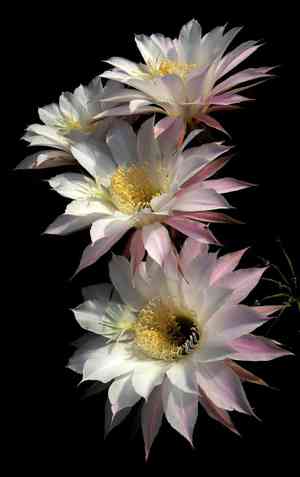
The Easter lily cactus is celebrated for its stunning, large blossoms that appear from late spring to early summer. Adequate light is not merely a driver for general health but also plays a critical role in initiating flowering. Insufficient illumination can result in fewer blooms or even no flowering, preventing you from experiencing the plant's full aesthetic potential.
Optimal Light Conditions for Easter Lily Cactus
Preferred Light Intensity
For peak growth, the Easter lily cactus requires bright, direct sunlight. A south-facing window is perfect for indoor cultivation. Outdoors, a spot where the plant receives uninterrupted sunlight for most of the day is best. Aim for at least 6 hours of direct sun daily.
Daily Light Duration
The Easter lily cactus thrives with extended sun exposure. Ideally, ensure your cactus gets approximately 6 to 8 hours of direct sunlight each day. This duration supports its metabolic functions, including photosynthesis and the production of energy for growth and blooming.
Indoor vs. Outdoor Light
Whether indoors or outdoors, your Easter lily cactus needs ample light. However, indoor plants may need occasional rotation to ensure even light distribution on all sides. For outdoor plants, ensure they are placed where they receive full sun for the majority of the day, monitoring seasonal changes.
Managing Light Exposure for Easter Lily Cactus
Preventing Sun Damage
While the Easter lily cactus enjoys full sun, too much direct sunlight can cause harm. Sunburn appears as white or brown scorched areas on the cactus. To prevent this, gradually increase sun exposure, especially if the plant has been in lower light conditions. A light, breathable shade can also help during peak sunlight hours.
Adjusting Light Exposure
Observe your cactus for indications of too much or too little light, and modify its placement accordingly. If you notice the plant is stretching (etiolation) or its vibrant colors are fading, it's likely not getting enough light. Conversely, if you notice scorched spots, consider providing shade during the hottest parts of the day.
Seasonal Light Variations and Easter Lily Cactus
Winter Light Requirements
In winter, the intensity and duration of light decrease. Ensure your Easter lily cactus still receives bright light, possibly moving it to the brightest spot in your home or supplementing with artificial grow lights if necessary.
Summer Light Requirements
During summer, the sunlight is more intense. While the Easter lily cactus needs plenty of direct sunlight, be mindful of extremely hot days which might necessitate some shading to avoid sunburn.
Common Light-Related Issues in Easter Lily Cactus
Signs of Insufficient Light
When an Easter lily cactus doesn't receive enough light, it may show signs of etiolation â the plant stretches and grows thin in search of more light. It might also exhibit pale or faded colors, and flowering will be minimal or non-existent. Relocate the cactus to a brighter spot to improve its condition.
Signs of Excessive Light
Excess light can cause sunburn, visible as white or brown patches on the cactus. If you notice such signs, provide a little shade during the hottest parts of the day or relocate the cactus to a spot with slightly less intense light.



