How Much Sunlight Do Purple coneflower Need?
1
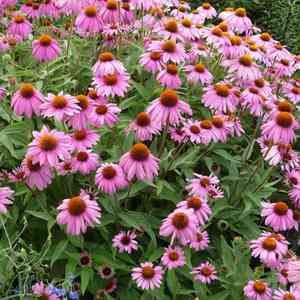
Purple coneflower flourishes optimally with at least 6 hours of direct sun each day, preferring full sun exposure.
2
Even though it prefers full sun, Purple coneflower is adaptable to some partial shade, particularly when temperatures are high.
3
Tailoring the amount of sun your Purple coneflower receives to your local climate zone can greatly influence its vitality and development.
Optimal Light Requirements for Echinacea purpurea
Full Sun Versus Partial Shade
For most vigorous development and vivid blossoms, Echinacea purpurea should be situated where it receives ample direct sunlight, meaning over six hours daily. Nevertheless, it adapts well to partial shade, offering versatility for garden designs. In very hot regions, some afternoon shade can prevent wilting.
Ideal Duration of Sun Exposure
Echinacea purpurea plants require a minimum of six hours of daily sunlight. For peak health and flowering, aim for around eight hours of direct sun. This ensures sufficient light for effective photosynthesis, promoting strong growth and vibrant blooms.
Seasonal Variations
Sunlight intensity and duration fluctuate considerably with the seasons. In spring and autumn, the sun is less potent, so ensuring the plant gets full sun aids its prosperity. During peak summer, although Echinacea purpurea enjoys the sun, shielding it from harsh midday rays with partial shade can prevent sunburn and stress.
Consequences of Excess or Insufficient Sunlight for Echinacea purpurea
Indicators of Overexposure to Sun
If Echinacea purpurea receives too much sunlight, particularly during the hottest periods, you might observe signs such as leaf scorching, wilting, and browning at the edges. These symptoms suggest plant stress and a potential need for afternoon shade or more frequent watering to counteract intense sun exposure.
Indicators of Inadequate Sunlight
Conversely, insufficient sunlight can result in stunted growth and reduced flowering. Echinacea purpurea may become leggy, stretching towards light, and produce fewer blossoms. To remedy this, move the plant to a brighter spot where it can receive at least six hours of direct sunlight daily.
How to Adjust Light for Echinacea purpurea in Different Settings
Indoor vs. Outdoor Cultivation
While typically cultivated outdoors, Echinacea purpurea can be grown indoors with certain considerations. Indoor growers should position the plant near a south-facing window to maximize light exposure. Supplementing with grow lights can also help replicate the full sun conditions vital for its development.
Employing Shade Cloths and Other Methods
In exceedingly sunny environments or during peak summer, utilizing shade cloths can protect Echinacea purpurea from excessive sunlight. Arranging the cloths to provide afternoon shade can lessen the risk of sun-damaged leaves. Additionally, strategically placed taller plants can offer natural shading.
Adapting to Climate Zones
Various climate zones necessitate distinct approaches to planting Echinacea purpurea. In USDA Hardiness Zones 3 through 9, this plant thrives under full sun. However, in hotter southern zones (8-9), planting it where it receives afternoon shade can prevent heat stress and extend its flowering period.
FAQ on Echinacea purpurea Light Needs
Can Echinacea purpurea grow in dense shade?
While Echinacea purpurea can tolerate some partial shade, it does not perform well in complete shade. Under such conditions, it will likely become weak and yield fewer flowers, making adequate sunlight exposure crucial.
What is the optimal time of day for sunlight exposure?
Echinacea purpurea benefits most from morning sunlight, which is milder and less intense. This helps the plant initiate photosynthesis early, securing the energy needed for growth. Afternoon sun is also beneficial, but providing midday shade can be advantageous in warmer climates.
Do young plants require different light conditions?
Yes, Echinacea purpurea seedlings are more fragile and can benefit from some protection. While they still need ample sunlight, offering partial shade during the hottest parts of the day can prevent young plants from burning and ensure they develop robustly.



