How Much Sunlight Do Painted-lady Need?
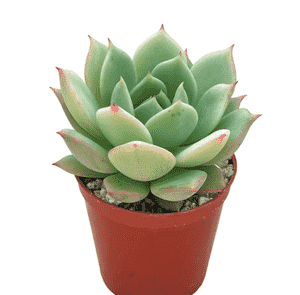
1
The Painted-lady thrives in direct sun but can endure some shade.
2
Provide a minimum of six hours of sunlight each day for peak development.
3
Indoors, Painted-lady plants flourish when placed by south-facing windows.
Optimal Light Conditions for Painted-lady
Requirements for Full Sun
The Painted-lady flourishes best when it receives direct sunlight for a minimum of six hours daily. Outdoors, this succulent thrives in bright, unfiltered light, which helps maintain its vibrant hues and robust structure. Ensure the plant gets morning sun, as intense afternoon rays can sometimes scorch its foliage.
Tolerance for Partial Sun and Shade
While full sun is preferred, the Painted-lady can also tolerate partial sunlight. If your garden lacks a spot with extended direct sun, the plant can still thrive with morning or late afternoon light, complemented by some cover during the sun's peak intensity. This setup prevents overexposure and sunburn, especially in very hot climates.
Indoor Light Exposure
For those growing indoors, positioning the Painted-lady near a bright window is essential. A south-facing window is ideal due to its consistent illumination. If light levels are too high, consider using sheer curtains to diffuse the sun, protecting the plant while ensuring it still gets sufficient light.
Monitoring Sunlight for Painted-lady
Using Photometers
A photometer can help you assess the light intensity your Painted-lady receives. This tool measures brightness in units like foot-candles or lux, offering a quantifiable method to ensure your plant's light needs are met. Aim for a range of 2,000 to 4,000 lux for peak health.
Observing Plant Responses
Often, the best indicators are the plants themselves. Regularly observe your Painted-lady. If it exhibits stretching or elongated stems, it may be a sign of inadequate light. Conversely, if its leaves appear scorched or develop brown spots, it might be getting too much direct sunlight.
Adjusting Placement and Environment for Ideal Sunlight
Transitioning Between Indoor and Outdoor Environments
If you move your Painted-lady between indoor and outdoor settings, make the transition gradually to prevent shock. When moving outdoors, begin by placing it in a shaded area, then progressively move it to brighter spots over several days. This acclimatization helps the plant adjust to varying light intensities.
Utilizing Supplemental Grow Lights
In homes with insufficient natural illumination, grow lights can be a helpful addition. Full-spectrum LED lights mimic natural sunlight and can provide the necessary intensity for your Painted-lady. Position the lights approximately 30 centimeters (12 inches) above the plant and leave them on for 12-14 hours daily to simulate natural daylight cycles.
Common Sunlight-Related Problems and Solutions for Painted-lady
Indications of Excessive Sun
Too much sunlight can harm the Painted-lady. Symptoms of overexposure include yellowing or browning leaves, crispy leaf edges, or transparent, burnt spots. If these signs appear, gradually move the plant to an area with less intense light or provide partial shade during the sun's peak hours.
Indications of Insufficient Sun
Not enough sunlight can also stress the Painted-lady. Look for signs like elongated, spindly stems, pale or discolored foliage, and slowed growth. If these symptoms emerge, reposition the plant to a brighter window or increase light exposure using artificial lights.
Correcting Sunlight Imbalance
Achieving the right balance of sunlight for your Painted-lady may involve some experimentation. If the plant is sunburned, remove damaged leaves and slowly adjust its position to receive indirect light. For inadequate light, gradually increase its exposure to direct sunlight, supplementing with grow lights if needed. Rotate the plant regularly to ensure all sides receive equal light, promoting balanced growth.



