How Much Sunlight Do Black echeveria Need?
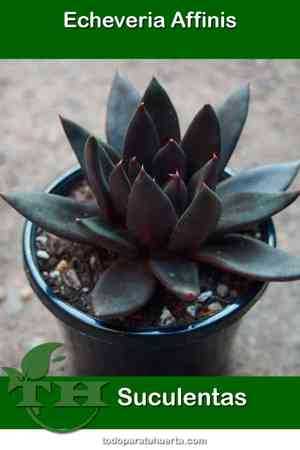
1
Black echeveria flourishes optimally with more than six hours of direct sun daily.
2
Modifying sun exposure based on the time of year is crucial for Black echeveria well-being.
3
Indoor Black echeveria might require supplemental grow lights to replicate natural sunlight.
Optimal Illumination for Black Echeveria
Requirements for Direct Sunlight
To achieve peak development, Black echeveria flourishes in complete sunlight, necessitating a minimum of six hours of unobstructed sun daily. When outdoors, position your Black echeveria in an area receiving full, direct sun, such as a south-facing garden. This generous natural light promotes photosynthesis, leading to vivid, healthy foliage.
Preferences for Partial Sunlight
Although Black echeveria prefers full sun, it can also withstand partial sunlight conditions. This is especially advantageous for cultivators with restricted access to direct light. In partial shade, aim for your plant to receive approximately 3-6 hours of sunlight. Morning sun, followed by afternoon shade, is ideal to shield it from intense midday heat, which can sometimes stress the plant.
Indoor Illumination Conditions
When cultivating Black echeveria indoors, ensuring adequate light can be more challenging. Position the plant near south or west-facing windows to maximize exposure to natural illumination. Regularly rotate the plant to guarantee uniform light distribution and prevent uneven growth. If natural light is inadequate, consider employing grow lights specifically designed for succulents to replicate the essential light spectrum.
Determining Correct Sunlight Exposure
Indicators of Inadequate Sunlight
A Black echeveria suffering from insufficient light often exhibits signs like elongated, stretched stems and sparse leaves – a phenomenon known as etiolation. Its foliage might appear pale green instead of its characteristic dark hue. Recognizing and addressing low light conditions promptly can avert permanent damage to the plant.
Impacts of Excessive Sun
Conversely, an abundance of direct sunlight, particularly in high temperatures, can cause Black echeveria leaves to burn, resulting in browning or scorched spots. Observing the plant for such indicators and providing shade during the hottest part of the day can help mitigate the effects of overexposure.
Balanced Light for Robust Development
Achieving the correct balance of sunlight is crucial. Ensure your Black echeveria receives ample light without risking sunburn by gradually acclimating young or new plants to direct sunlight. Begin with one or two hours of direct sun, progressively increasing exposure over several weeks. This approach helps the plant adapt without overwhelming it.
Modifying Light Conditions Seasonally
Summer Sunlight Needs
Throughout the summer months, Black echeveria benefits from the strong, extended daylight hours. However, with elevated temperatures, it's vital to monitor and sometimes moderate sun exposure to prevent plant stress. Providing a bit of afternoon shade can help maintain the plant's coolness while still ensuring adequate sunlight.
Winter Light Adjustments
As winter approaches and daylight hours diminish, your Black echeveria will require adjustments to its light exposure. Indoor plants, in particular, may suffer from insufficient light during these months. Supplement natural light with artificial grow lights to sustain healthy growth and prevent etiolation.
Additional Advice for Maximizing Sunlight for Black Echeveria
Utilization of Artificial Light Sources
Artificial light can be transformative for Black echeveria situated in areas with limited sunlight. Full-spectrum LED grow lights are optimal as they deliver the necessary blue and red wavelengths vital for plant growth. Position the lights 6-12 inches above the plant and keep them illuminated for approximately 12-14 hours daily to mimic natural conditions.
Placement and Rotation Strategies
Strategic placement and consistent rotation of your Black echeveria ensure all sections of the plant receive light equally. Rotate the plant a quarter turn every few days to encourage even growth and prevent it from leaning towards the light source. Furthermore, positioning plants on elevated stands or shelves near windows can optimize light access.



