How Much Sunlight Do Spreading woodfern Need?
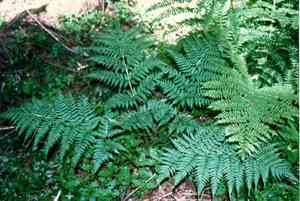
1
Spreading woodfern flourishes in dappled light yet endures complete shade.
2
Optimal illumination for Spreading woodfern is 3-6 hours of filtered sunlight daily.
3
Observe your fern for indications of excessive sun exposure such as burned or discolored foliage.
Optimal Illumination for Spreading Woodfern
Preferred Light Intensity
For Spreading woodfern, partial shade is the ideal light condition. This resilient fern thrives in settings where it gets filtered sunlight for approximately 3-6 hours daily. This type of indirect light mimics its natural woodland habitat. Excessive direct sun exposure can be harmful, causing stress and potential damage to the fern.
Best Locations for Optimal Sunlight
To find the perfect spot for your Spreading woodfern, choose a location that provides ample indirect sunlight. Outdoors, consider planting it beneath taller trees or next to structures that offer sufficient shade. Indoors, positioning the fern near a north or east-facing window can supply the right amount of light without harsh direct rays.
Signs of Excessive Sunlight
Spreading woodfern will display clear indicators if it's receiving too much sunlight. Look for yellowing foliage or scorched leaf tips, as these are definite signs of sun stress. Additionally, leaves may become brittle and dry, and overall growth can appear stunted. If these symptoms appear, re-evaluate your fern's placement and consider moving it to a shadier area.
Establishing the Correct Light Environment for Spreading Woodfern
Utilizing Shade Cloths
An effective way to create an ideal light environment for your Spreading woodfern is by employing shade cloths. These are especially useful if your fern is in an area where controlling natural light is difficult. Shade cloths can filter out surplus sunlight, protecting the plant from sunburn while still allowing enough light for healthy development. Choose shade cloths offering 50-70% coverage to ensure your fern receives appropriate indirect light.
Natural Shading Methods
Natural shading is an excellent option for a more organic solution. Planting larger companion plants or shrubs around your Spreading woodfern can form a natural canopy. This method not only provides necessary shade but also contributes to a more diverse and attractive garden ecosystem. Another tip is to place your fern near taller plants or structures that naturally block intense sunlight during peak hours.
Indoor Light Management
When cultivating Spreading woodfern indoors, light management becomes more controllable. Position your fern near north or east-facing windows for ample indirect sunlight. You can also use sheer curtains to diffuse direct sunlight from south or west-facing windows. During winter, when natural light is scarce, consider using fluorescent lights to supplement the fern's lighting needs, ensuring its continuous growth throughout the year.
Monitoring and Adjusting Light Levels for Spreading Woodfern
Regular Light Level Checks
It's essential to routinely assess the light levels in your Spreading woodfern's location. Observing the plant's condition and growth patterns offers clear indications of its light intake. Analyzing leaf color, texture, and growth rate helps you determine if adjustments are needed to maintain the fern's health and vigor.
Adjusting Light Based on Seasonal Changes
Light levels fluctuate with the seasons, and it's crucial to reposition your Spreading woodfern accordingly. In summer, you might need to move your fern to a shadier spot to avoid intense midday sun, while in winter, relocating it to a brighter area can compensate for reduced daylight. Paying attention to these seasonal shifts ensures your fern receives optimal light year-round.
Using Light Meters and Tools
For those preferring a more technical approach, using light meters and other instruments can provide precise readings of the light intensity your Spreading woodfern receives. These tools assist in fine-tuning the light environment, ensuring your plant gets the exact amount of light required for optimal growth. Light meters are particularly beneficial for indoor setups or gardens with varying lighting conditions, helping to create a stable environment for your fern.



