How Much Sunlight Do Pretty Shooting Star Need?
1
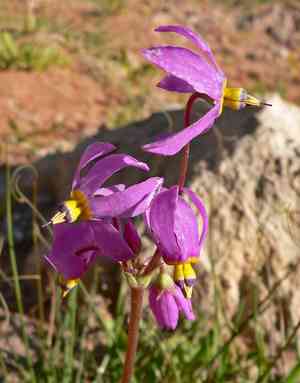
The Dodecatheon pulchellum generally needs around 3-6 hours of indirect sunlight each day.
2
Although the plant can endure direct sun, it thrives best in conditions mimicking the filtered light of its native environment.
3
Regular light cycles can greatly influence the development and bloom production of the Dodecatheon pulchellum.
Optimal Illumination for Pretty Shooting Star
Understanding Its Native Environment
The Pretty Shooting Star is a botanical treasure, frequently found in damp meadows and wooded regions across North America. Its natural setting typically offers filtered sunlight, dappled through tree canopies. This means it receives sun exposure without enduring harsh midday rays. Replicating these conditions is vital for successful cultivation in your garden or home.
Light Intensity Preferences
The Pretty Shooting Star thrives in partial sun, meaning it benefits most from approximately 3-6 hours of daily sunlight. This exposure should ideally occur in the morning when light is less intense, avoiding the stronger afternoon sun. In areas with powerful sun, some afternoon shade will prevent leaf burn and promote more vibrant blooms.
Photoperiod: Exposure Duration
Similar to many flowering species, the Pretty Shooting Star flourishes with a consistent photoperiod. Ensuring a regular period of natural light exposure can significantly impact its development. Aim for 10-14 hours of daylight during its active growth phase, gradually decreasing as it approaches dormancy in autumn and winter.
Best Practices for Outdoor Cultivation
Choosing the Correct Site
When planting the Pretty Shooting Star outdoors, select a location that mimics its native dappled light conditions. An ideal spot would receive morning sun and be protected from intense afternoon rays. Placing it beneath the canopy of larger trees or beside taller shrubs can provide excellent necessary shielding.
Seasonal Light Fluctuations
Consider the seasonal changes in sunlight when planning your planting. During spring and summer, the plant will require more light to support its growth and flowering stages. Conversely, in fall and winter, it can tolerate less light as it enters dormancy. Adjust exposure accordingly to ensure your Pretty Shooting Star thrives year-round.
Protection from Extreme Weather
Harsh weather conditions, such as intense summer heat or unexpected frost, can harm the Pretty Shooting Star. During hot periods, providing extra shade cloths or moving potted plants to shadier spots can help safeguard your plant. Similarly, during sudden cold snaps, cover plants with frost blankets or bring potted plants indoors to prevent frost damage.
Cultivating Pretty Shooting Star Indoors
Replicating Natural Light
In indoor environments, replicating outdoor light conditions is essential. Position the Pretty Shooting Star near east-facing windows where it can receive bright but gentle morning sunlight. If natural window light is insufficient, you may need to supplement with artificial lighting to ensure it gets the required 3-6 hours of partial sun.
Artificial Light Sources
Artificial lights can be very helpful. Full-spectrum grow lights are highly recommended, as they closely mimic natural sunlight. Place the lights about 6-12 inches (15-30 cm) above the plant and operate them for approximately 10-14 hours daily. Adjustments may be necessary based on the plant's response.
Modifying Light Exposure
Monitoring and adjusting light exposure is crucial for indoor success. If the Pretty Shooting Star appears to be reaching or 'stretching' towards the light, it likely needs more illumination. Conversely, if the leaves begin to scorch, reduce the light intensity or duration. Regularly assess and fine-tune light conditions to maintain the plant's optimal health.
Common Light-Related Issues
Signs of Excessive Sunlight
Too much sunlight can cause leaves to burn or develop scorched areas. You might observe the foliage becoming crisp or the flowers wilting prematurely. If this occurs, it's vital to relocate the plant to a shadier spot and remove damaged leaves to encourage new growth.
Symptoms of Insufficient Light
Inadequate light often leads to leggy growth, where the plant stretches excessively towards the light, appearing thin and elongated. Additionally, the flowering cycle might be impacted, resulting in fewer or no blooms. Gradually increase light exposure to avoid shock, ensuring the plant receives its 3-6 hours of partial sunlight.
Balancing Light and Shade
Achieving the ideal balance of light and shade is the key to a thriving Pretty Shooting Star. If grown outdoors, considering the interplay of shadows throughout the day can be beneficial. Indoors, regularly rotate the plant to ensure even light distribution and prevent leaning. Adjustments are crucial, so observe changes in growth and behavior.



