How Much Sunlight Do Dieffenbachia Need?
1
Dieffenbachia flourishes in filtered light and must be shielded from intense sun exposure to avoid scorching its foliage.
2
Relocating the plant with the seasons assists in maintaining ideal light conditions, particularly during the brief days of winter.
3
Transparent drapes are useful for diffusing bright sunlight for your Dieffenbachia.
What Type of Illumination Does Dieffenbachia Require?
Filtered Light: The Best Option
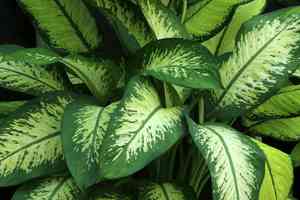
Dieffenbachia, a favored houseplant celebrated for its striking, patterned foliage, flourishes optimally in vibrant, indirect illumination. This light condition mimics the plant's native environment beneath the forest canopy, where sunlight is diffused by taller tree leaves. To achieve this at home, position your Dieffenbachia near a north or east-facing window, ensuring it receives ample light without harsh, direct rays.
Avoiding Direct Solar Exposure
Direct sunlight can be harmful to Dieffenbachia, causing its leaves to scorch or develop unattractive brown spots. It is crucial to shield the plant from intense midday sun, typically from 10 a.m. to 4 p.m. If an indirect light spot is unavailable, consider using a translucent curtain to soften the light.
How Much Illumination is Appropriate for Dieffenbachia?
Optimizing Light Exposure
Dieffenbachia benefits from a balanced daily amount of light. Ideally, aim for your plant to receive less than 3 hours of direct sunlight, supplemented by sufficient diffused light throughout the day. Excessive direct sun can damage leaves, while too little hinders its development.
Seasonal Adaptations
Varying seasons can significantly impact the light levels your Dieffenbachia receives. During winter, with shorter days, you might need to reposition the plant nearer a light source or consider supplemental artificial lighting. Conversely, in summer, protect the plant from stronger, prolonged rays to prevent leaf harm.
Optimal Dieffenbachia Placement for Sunlight?
Ideal Indoor Placements
Discovering the perfect spot for your Dieffenbachia involves balancing light exposure while preventing direct sun. Excellent locations include well-lit rooms with north or east-facing windows. If you have west or south-facing windows, it's essential to keep the plant several feet from the pane or utilize sheer curtains.
Employing Sheer Curtains for Light Diffusion
Sheer curtains are an excellent method for reducing the intensity of sunlight entering through windows. Positioning your Dieffenbachia behind such curtains will provide the bright, indirect light it requires while protecting it from damaging rays that can cause leaf scorching.
Indicators of Inadequate Sunlight for Dieffenbachia?
Symptoms of Excessive Light
Dieffenbachia exposed to too much direct sunlight often shows scorched or browned leaf tips. Yellowing foliage is also a common indicator of sunburn. If these signs appear, it's time to move the plant to a more suitable location with filtered light.
Symptoms of Insufficient Light
Inadequate light can cause Dieffenbachia to become elongated as it stretches toward any available light source. The vivid hues of its leaves might also fade, and overall growth can slow. To remedy this, move your plant to a brighter spot without direct sunlight.
How to Rectify Sunlight Problems for Dieffenbachia?
Adjusting Position
If your Dieffenbachia isn't thriving, first assess its current light conditions. For plants receiving too much direct light, relocate them to an indirect light spot or use sheer curtains. If the plant is too shaded, try moving it closer to a naturally filtering window or adding artificial light sources.
Utilizing Artificial Illumination
For those times when natural light is simply not enough, particularly in winter, artificial grow lights offer an excellent solution. LED grow lights can supply the necessary light spectrum and intensity for your Dieffenbachia, ensuring it stays healthy and vibrant throughout the year.



