How Much Sunlight Do Australian tree fern Need?
1
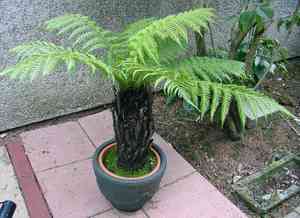
The Australian tree fern flourishes optimally in areas with filtered light.
2
Unfiltered sun exposure can cause scorching and thermal damage to the Australian tree fern.
3
Thin curtains are useful for regulating indoor illumination, offering the ideal diffused light favored by the fern.
Optimal Light Conditions for the Australian Tree Fern
Partial or Full Shade?
The Australian tree fern naturally thrives beneath forest canopies, receiving filtered light. This indicates a preference for partial shade, where it gets approximately 3-6 hours of indirect sunlight daily. Full shade is also tolerated, though growth may be less robust. Consider locations where the fern receives morning sun but is shielded during the hottest afternoon hours.
Dappled Light Preference
The Australian tree fern flourishes best in dappled light. This type of light emulates its natural forest habitat, where sunlight filters through leaves, providing consistent yet indirect illumination. You can achieve this in your garden by planting it under taller vegetation. Indoors, placing the fern near a north or east-facing window with sheer curtains effectively simulates this condition.
Effects of Excessive Sunlight on the Australian Tree Fern
Sunburn Indicators
Exposure to excessive direct sunlight can cause sunburn on the Australian tree fern, often appearing as yellowing or browning of the fronds, especially along their edges. The fronds may also become brittle and crisp. It's vital to observe the plant and relocate it if these signs appear, to prevent lasting damage.
Heat Stress Symptoms
Beyond sunburn, the fern can suffer from heat stress. Symptoms include wilting, drooping fronds, and a general decline in vitality. The Australian tree fern prefers cool, moist environments, and excessive heat can impede its growth or even lead to dieback. Keeping the fern in a cooler, shaded spot during peak heat can alleviate these issues.
Adjusting Indoor Sunlight Exposure for the Australian Tree Fern
Selecting North or East-facing Windows
For indoor Australian tree ferns, window placement is critical. North or east-facing windows are ideal, offering bright but indirect light. This exposure mimics the dappled sunlight the fern naturally experiences and helps prevent sunburn, which can occur with direct afternoon sun from south or west-facing windows.
Using Sheer Curtains
To further optimize light conditions, sheer curtains are an excellent aid. They diffuse light, creating gentle and consistent illumination throughout the day. This prevents harsh rays from directly striking the fern while ensuring it receives sufficient light for photosynthesis. Such an environment promotes optimal growth and maintains its vibrant green appearance.
Seasonal Light Requirements
Spring and Summer Adjustments
During spring and summer, sunlight intensity increases. For the Australian tree fern, this means adjusting its position to avoid strong midday sun. Moving the fern to a shadier spot or providing extra shade, such as using larger outdoor plants or temporary coverings, can help prevent excessive light and heat exposure.
Fall and Winter Light Considerations
In fall and winter, as days shorten and sun intensity wanes, the fern might need to be moved to a slightly brighter location to compensate for reduced light. However, it's crucial to maintain balance and avoid placing it in areas with too much direct sunlight, even during these cooler months.



