How Much Sunlight Do Pacific bleeding heart Need?
1
Pacific bleeding heart flourishes in dappled light, requiring roughly 3-6 hours of filtered sun each day.
2
Excessive direct sun exposure may burn the foliage of your Pacific bleeding heart.
3
Observing light conditions aids in avoiding signs of distress in the plant.
Optimal Light Conditions for Pacific Bleeding Heart
Partial Shade Preference
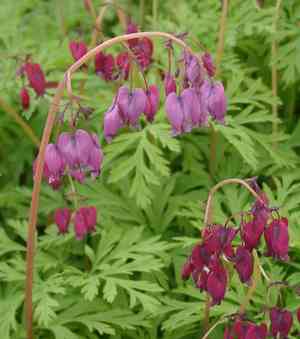
The Pacific bleeding heart, a charming perennial with heart-shaped blooms and delicate foliage, thrives in partial shade. It needs approximately 3-6 hours of indirect sunlight daily, mimicking its natural woodland habitat where light filters through tree canopies. Providing partial shade ensures healthy growth, allowing it to flourish in balanced light without leaf burn or stunted development.
Avoiding Direct Sunlight
Direct, intense sunlight harms the Pacific bleeding heart. Extended exposure can scorch its tender leaves, causing browning and stress. It's best to protect this plant from harsh midday sun, typically from 10 AM to 4 PM. Instead, aim for dappled light or a spot with morning sun and afternoon shade. In extreme climates, position it under larger shrubs or structures to diffuse light, providing the gentle illumination it prefers.
How to Provide Proper Light for Pacific Bleeding Heart
Choosing the Right Spot
Selecting an ideal location for your Pacific bleeding heart is vital. Find a garden spot that mimics a woodland settingâan area beneath tall trees or along the north or east side of your home works well. These locations often offer natural dappled light, which is precisely what your plant requires. Always avoid areas with strong afternoon sun. If potted, consider relocating it throughout the year to maintain optimal light conditions.
Using Shade Cloths or Garden Fabrics
When natural shade is insufficient, especially during peak summer, shade cloths or garden fabrics can be very helpful. These materials filter sunlight, reducing its intensity and replicating natural dappled light. They are easy to install and can be draped over frames or existing garden structures. Choose cloths that block about 40-60% of sunlight to create the perfect environment for your Pacific bleeding heart.
Indicators of Improper Sunlight for Pacific Bleeding Heart
Symptoms of Excessive Sun
If your Pacific bleeding heart receives too much direct sunlight, you'll likely observe clear warning signs. Common symptoms include scorched leaves with browned or crispy edges, faded flower colors, and an overall stressed appearance. The plant may also wilt during hot parts of the day, even with sufficient water. These signs indicate excessive sun exposure, and you should move it to a shadier spot immediately.
Symptoms of Insufficient Light
While too much sunlight is detrimental, inadequate light can also cause problems for your Pacific bleeding heart. Signs of insufficient light include leggy growth, where stems stretch seeking light, and a lack of vibrant blooms, as the plant struggles to photosynthesize effectively. Leaves may also appear paler. To remedy this, ensure the plant receives at least 3-6 hours of indirect sunlight and consider repositioning it if necessary.
FAQ Regarding Pacific Bleeding Heart Sunlight Needs
Can Pacific Bleeding Heart Grow Indoors?
Yes, Pacific bleeding heart can be grown indoors, provided it gets sufficient indirect light. Place it near a north or east-facing window for gentle morning sun, avoiding harsh afternoon light. Alternatively, use sheer curtains to diffuse light. Indoor grow lights can also supplement natural light, ensuring the plant receives the required 3-6 hours of indirect sunlight daily.
What Are the Best Garden Companions for Pacific Bleeding Heart?
When planting Pacific bleeding heart in your garden, consider pairing it with other shade-loving plants that have similar light requirements. Excellent companions include ferns, hostas, and astilbes. These plants not only enhance the Pacific bleeding heart aesthetically but also help create a microenvironment that supports its moisture and light needs. Together, they form a lush, shaded garden area that is both beautiful and conducive to healthy plant growth.



