How Much Sunlight Do Dutchman's breeches Need?
1
Dutchman's breeches thrive in partial sunlight, receiving about 3 to 6 hours of direct sun daily.
2
While they can endure complete shade, their flowering might be less abundant under those circumstances.
3
Ideal light exposure is vital for robust development and vivid blossoms.
Deciphering the Light Needs of Dutchman's Breeches
Ideal Light Conditions
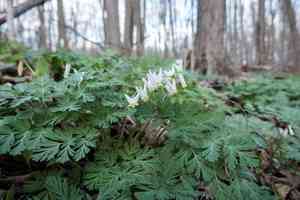
For Dutchman's breeches, partial sun is the most suitable light condition. This means receiving approximately 3-6 hours of direct sunlight daily. These unique plants flourish in the dappled light often found under deciduous trees. Such environments mimic their natural forest habitat, offering a balance of sun and shade. Ensuring proper light exposure will foster robust foliage and the development of their distinct, pant-like blossoms.
Impact of Excessive Sunlight
Exposing Dutchman's breeches to too much sunlight can scorch their delicate leaves, resulting in unsightly burn marks and a stressed plant. Intense, high sunlight can also rapidly dry out the soil, jeopardizing the plant's root health. Monitoring the midday sun, which is the strongest, and providing some shade during these hours, especially in summer, can help safeguard the plant.
Impact of Insufficient Sunlight
Conversely, inadequate sunlight can cause Dutchman's breeches to become elongated and weak, with stems stretching toward any available light source. Reduced light can also lead to fewer flowers and paler foliage. If these symptoms appear, consider moving your plant to a brighter spot that offers partial sun, ensuring it can achieve lush growth and vibrant blooms.
Providing the Correct Amount of Light for Dutchman's Breeches
Choosing the Optimal Location
Selecting the best location for your Dutchman's breeches is vital for its health and flowering. Opt for areas with morning sun and afternoon shade, or a spot with filtered sunlight throughout the day. If planting in your garden, areas beneath tree canopies can provide the perfect balance of light and shade. Indoors, position them near east-facing windows for gentle morning light.
Adjusting Light Levels
If your Dutchman's breeches isn't getting the right amount of light, consider using sheer curtains to diffuse strong sunlight or moving potted plants to partially shaded areas. For those in fixed locations, creating shade with garden netting or strategically placing taller plants can help establish a more balanced light environment. Also, be mindful of seasonal changes and adjust the plant's position accordingly.
Signs of Proper Light Exposure
Healthy indicators that your Dutchman's breeches is receiving adequate sunlight include vibrant green foliage, sturdy and proportionate growth, and an abundance of characteristic white or pink flowers. The leaves should appear neither scorched nor overly pale. Observing these signs can help you maintain optimal conditions, ensuring the plant continues to thrive.
Common Light-Related Issues with Dutchman's Breeches and Solutions
Addressing Sunburned Leaves
Sunburned leaves on your Dutchman's breeches manifest as brown, crispy patches. To fix this, move the plant to a shadier spot or provide protective shade during peak sunlight hours. Prune the damaged leaves to encourage new growth and lessen further stress on the plant.
Managing Leggy Growth
Leggy growth, characterized by long, thin stems, often signals a lack of sufficient sunlight. Relocate the plant to a brighter area where it can receive the recommended 3-6 hours of direct sunlight. Trimming back the elongated stems can also help the plant redirect its energy toward healthier, more compact growth.
Handling Seasonal Light Variations
Seasonal changes can significantly impact the amount of sunlight your Dutchman's breeches receives. In winter, when daylight hours are shorter, consider placing the plant in the brightest available spot. During the intense summer months, move it to slightly shadier locations to prevent sun stress. Seasonal adjustments are crucial for maintaining ideal growing conditions year-round.



