How Much Sunlight Do Chinese pink Need?
1
For peak development, Chinese pink needs 6-8 hours of unfiltered sunlight daily.
2
While partial shade is tolerated, direct sun exposure guarantees the most vibrant flowering.
3
Observe your Chinese pink for indications of sun damage or inadequate illumination to preserve its vitality.
Optimal Light Conditions for Chinese Pink
Direct Sun vs Filtered Light
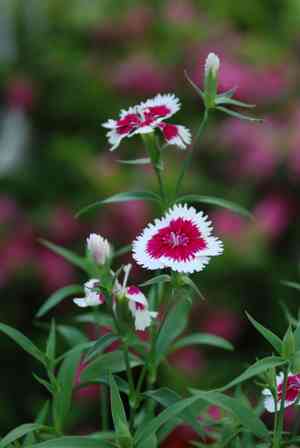
The Chinese pink (Dianthus chinensis) is a vivid flowering plant celebrated for its bright blossoms and pleasant aroma. For peak vitality, these plants prefer full sun, necessitating at least 6 hours of direct solar exposure daily. This level of sunlight promotes robust development and abundant flowering. Nevertheless, they can also withstand partial shade, particularly during the hottest periods of the day. In filtered light, anticipate slightly fewer flowers and slower overall maturation.
Seasonal Light Demands
As seasons progress, the intensity and duration of sunlight naturally fluctuate. During spring and summer, Chinese pink plants benefit significantly from complete exposure to extended daylight periods. In autumn and winter, sunlight is typically less intense and days are shorter, which might require adjustments, such as relocating your plant to a brighter spot or using supplemental artificial illumination.
Daily Light Duration
On average, aim to provide your Chinese pink with 6-8 hours of sunlight daily. In settings where full sun is challenging to achieve, positioning your plants to receive morning sun and afternoon shade offers a good alternative. This balance shields them from intense midday solar radiation while still providing ample light throughout the day.
Can Chinese Pink Endure Low Light?
Indicators of Insufficient Illumination
If your Chinese pink isn't receiving enough light, the plant will display several noticeable clues. Watch for elongated stems as the plant reaches for light, a phenomenon known as etiolation. Additionally, you might observe fewer blooms, or flowers that are smaller and less vivid. The leaves may also appear pale or yellowish, signaling ineffective photosynthesis.
Adapting to Diverse Light Environments
Should you need to move your Chinese pink from one light condition to another, do so gradually. Abrupt shifts can stress the plant. Begin by exposing the plant to its new location for a few hours each day, progressively increasing the duration over a week. This allows the plant time to acclimate without experiencing shock, ensuring its continued healthy growth.
Safeguarding Chinese Pink from Excessive Sun Exposure
Symptoms of Sunburn or Scorch
Chinese pink plants subjected to excessive sunlight might show signs of sunburn or scorch. Look for brown or bleached patches on leaves, crisp leaf edges, and wilting even when the soil is adequately moist. This occurs when the plant cannot cope with the intensity of the light it is receiving.
Protective Strategies
To shield your Chinese pink from too much sun, employ shade cloths or relocate potted plants to a slightly shadier area during peak sun hours, typically between 11 AM and 3 PM. Mulching can also assist by keeping roots cool and preserving soil moisture. Always ensure the plant is well-hydrated, especially during hot and dry conditions, as moisturized plants are less prone to sun damage.
Establishing Optimal Light Equilibrium
Achieving the correct balance of sunlight is crucial for maintaining healthy Chinese pink plants. Regularly observe your plant and adjust its position as required. By noticing how the plant reacts to varying light levels, you can fine-tune its placement for maximum growth. This might involve moving the plant a few feet, utilizing indoor light meters to gauge lumens, or simply assessing the plant's vitality.
Tips for Indoor Cultivation of Chinese Pink
Selecting the Appropriate Indoor Spot
If you are cultivating Chinese pink indoors, positioning them near a south or west-facing window is ideal, as these locations receive the most light. Ensure the plant gets several hours of direct sunlight, complemented by indirect light throughout the day. Periodically rotating the plant helps guarantee all sides receive equal sunlight, contributing to more balanced development.
Supplementing with Artificial Lighting
Natural sunlight might not always suffice indoors, particularly during shorter winter days. Employing artificial grow lights can be beneficial. LED grow lights are energy-efficient and can deliver the full spectrum of light essential for Chinese pink plants' photosynthesis. Position the lights approximately 15-30 centimeters (6-12 inches) above the plants and use a timer to emulate natural daylight cycles.
Monitoring Plant Well-being
Diligently observe your indoor Chinese pink for indicators of stress or inadequate light. Regularly inspect the color, size, and quantity of blooms, as well as the overall appearance of the foliage. Should you detect any issues, modify the light intensity, duration, or plant placement as necessary. Proper indoor light management can be instrumental in keeping your Chinese pink healthy and vibrant all year round.



