How Much Sunlight Do Sweet william Need?
1
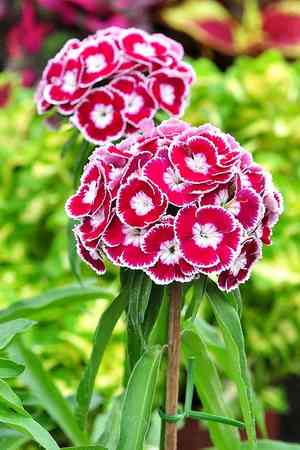
Sweet William flourishes optimally with over six hours of direct sun daily.
2
While Sweet William can endure some dappled light, this may result in reduced blooming.
3
Monitor your plant's exposure or use a light meter to verify sufficient sunlight for your Sweet William.
Optimal Light Conditions for Sweet William
Abundant Sun Exposure
Sweet William plants thrive best when exposed to plentiful direct sunlight. This necessitates a minimum of six hours of unfiltered sun daily. Positioning them where they absorb morning and late afternoon sun promotes robust development and the production of vivid blossoms.
Partial Shading Resilience
While Sweet William prefers full sun, it can withstand some partial shade. However, note that excessive shade may result in fewer blooms and less vigorous growth. In particularly warm climates, a touch of afternoon shade can safeguard plants from scorching.
Monitoring Light for Sweet William
Utilizing a Photometer
A photometer is a useful instrument to help gauge the amount of light your Sweet William plants are receiving. By measuring illumination levels in various garden spots, you can select the most suitable planting location. Photometers are user-friendly and offer precise readings to ensure optimal light for your plants.
Natural Cues for Sufficient Light
Observing your Sweet William plants can offer natural indications of adequate light exposure. Healthy foliage, sturdy stems, and profuse blooming signal that the plants are content with their light situation. Conversely, yellowing leaves or spindly growth might suggest inadequate sunlight. Monitor the overall plant health to make necessary adjustments.
Adjusting Light for Different Growth Phases
Seedling Phase
During their initial stage, Sweet William seedlings are quite delicate and demand extra attention. Ample light is crucial for their development. Consider placing indoor seedlings on a sunny windowsill or under grow lights. For outdoor seedlings, provide light covering to shield them from intense midday sun if required.
Mature Plant Phase
As Sweet William plants mature, they become more robust and can better handle full sun. At this point, situating them in a garden bed or container where they get at least six hours of direct sunlight daily will support their health and encourage lush growth and vibrant flowers.
Blooming Phase
The blooming phase is when Sweet William plants display their beautiful flowers. To enhance this ornamental show, ensure your plants are in a spot receiving abundant sunlight. Sufficient light during this period ensures more plentiful and intensely colored blooms.
Common Sunlight Issues and Solutions for Sweet William
Indicators of Sun Scorch
Too much direct sun, especially during intense afternoon heat, can cause sun scorch in Sweet William. Signs include bleached or burned leaves, which may turn brown and brittle. If these symptoms appear, consider providing some shade during peak sun hours or moving the plants to a slightly shadier spot.
Symptoms of Insufficient Illumination
When Sweet William lacks adequate sunlight, common symptoms include leggy development and reduced flowering. Stems may become elongated as they reach for light, gradually weakening the plant's structure. Ensure plants are moved to a brighter location if these signs are observed.
Corrective Actions
To resolve sun-related issues, modify the plant’s placement based on its symptoms. For sun scorch, provide extra shade during the day's hottest period. If sunlight is inadequate, try repositioning your Sweet William to a sunnier spot. Pruning affected sections can aid plant recovery and maintain its aesthetic appeal.



