How Much Sunlight Do Slender deutzia Need?
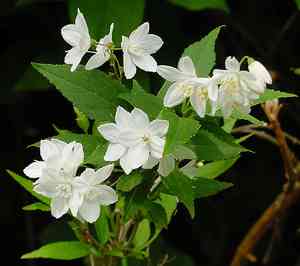
1
Slender deutzia prospers in abundant sunshine but can withstand partial shade environments.
2
For optimal growth, Slender deutzia requires over six hours of direct sun exposure each day.
3
Employing a light meter can assist in verifying that your Slender deutzia gets adequate illumination.
Optimal Light Conditions for Slender Deutzia
Advantages of Full Sun Exposure
For prime development and prolific flowering, Slender Deutzia should be situated where it receives ample direct sunlight. 'Full sun' indicates the plant gets at least six hours of direct sun daily. Under these conditions, Slender Deutzia will exhibit its most vibrant foliage and produce abundant, fragrant white blossoms, greatly enhancing your garden's visual appeal. Full sun also helps ward off common fungal problems that thrive in damp, shaded environments.
Tolerance for Partial Shade
Slender Deutzia is quite versatile and can withstand partial shade, making it a flexible option for diverse garden settings. 'Partial shade' means getting 3-6 hours of direct sun each day. While its growth may be less vigorous and flowering not as plentiful compared to full sun, Slender Deutzia will still perform adequately. Ensuring it receives at least the minimum direct sunlight is vital for its well-being and appearance.
How to Assess Proper Sunlight Exposure
Observing Plant Responses
The most effective method to gauge if your Slender Deutzia is receiving adequate sunlight is by closely monitoring its behavior. Healthy, vibrant leaves and copious blooms signify ideal light conditions. Conversely, if the plant displays elongated, spindly growth or diminished flowering, it might indicate insufficient light.
Utilizing a Sunlight Meter
A sunlight meter is a practical device that can precisely measure the light levels your Slender Deutzia is getting. By positioning the meter in various garden spots, you can pinpoint the best location that provides sufficient illumination. Sunlight meters are especially helpful during seasonal changes when the sun's trajectory shifts and affects light distribution in your garden.
Consequences of Excessive or Insufficient Sun for Slender Deutzia
Indicators of Sun Scorch
Though Slender Deutzia favors full sun, overly intense sunlight, particularly in extremely hot climates, can cause sunburn. Signs of sunburn include singed or browned leaves and stunted development. If these symptoms appear, providing some afternoon shade or relocating the plant to a less exposed spot can help alleviate the damage.
Signs of Inadequate Sunlight
Insufficient sunlight can lead to several problems for Slender Deutzia. Key indicators include sparse foliage, leggy stems, and few to no flowers. Additionally, the plant may become more susceptible to diseases as excessive moisture in shaded areas creates favorable conditions for fungal growth. Ensuring the plant receives its minimum daily sunlight is crucial for its overall health and blooming potential.
Seasonal Light Demands for Slender Deutzia
Summer Illumination Requirements
During summer, Slender Deutzia flourishes with abundant sunlight, which promotes lush growth and flowering. Ensure consistent watering to compensate for increased evaporation rates in full sun. Potted plants may require more frequent irrigation during high summer temperatures, so closely monitor soil moisture levels.
Winter Light Adaptations
In winter, Slender Deutzia can tolerate reduced sunlight as it enters a dormant state. While it still prefers as much natural light as possible, decreased sun exposure will not significantly impact its health or future blooms since it conserves energy during this period. If cultivated indoors or in a greenhouse, ensure it still receives some indirect sunlight to maintain overall vigor.



