How Much Sunlight Do Dwarf larkspur Need?
1
Dwarf larkspur flourishes with a minimum of 6 hours of direct sun each day.
2
While these plants can endure some shade, they achieve peak development in full sun.
3
Both excessive and insufficient light exposure can negatively impact your Dwarf larkspur.
Ideal Light Conditions for Dwarf Larkspur
Understanding Light Needs
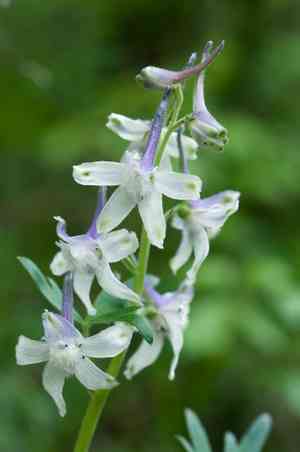
Dwarf larkspur, recognized for its striking, slender spires of blue and purple blooms, is a plant that thrives with ample illumination. Sunlight is vital for photosynthesis, supplying the energy required for the plant's development and flower production. Knowing the light requirements of Dwarf larkspur ensures they get the proper energy to flourish.
Optimal Daily Sun Exposure
For peak development, Dwarf larkspur needs at least 6 hours of direct sunlight daily. This is commonly referred to by gardeners as 'full sun' conditions. Providing your Dwarf larkspur with enough light will encourage robust growth and more abundant flowering.
Prime Planting Locations
To guarantee your Dwarf larkspur receives the perfect amount of sunlight, consider placing them in spots that get uninterrupted sun for most of the day. South-facing garden areas or locations not shaded by structures or larger trees are excellent choices. This will allow your Dwarf larkspur to absorb the full sun it desires.
Sunlight Categories Suitable for Dwarf Larkspur
Full Sun
Full sun denotes areas that receive a minimum of 6 to 8 hours of direct sunlight daily. Dwarf larkspur performs best in these conditions, where they can access plentiful light to support their growth and blooming cycles.
Partial Sun
Dwarf larkspur can also endure partial sun, though it might not flower as profusely as when in full sun. Partial sun areas get approximately 3 to 6 hours of sunlight per day, typically in the morning or late afternoon. If your garden has spots with only partial sun, your Dwarf larkspur will still grow, but may not be as vibrant.
Shade
Generally, Dwarf larkspur does not prosper in shaded environments. Areas receiving less than 3 hours of sunlight daily fall into this category. Planting Dwarf larkspur in shaded spots can result in poor growth and a lack of blooms, as they don't get enough light for their photosynthetic needs.
Impact of Insufficient Sunlight on Dwarf Larkspur
Symptoms of Excessive Sunlight
While Dwarf larkspur loves the sun, too much can be harmful. Signs of overexposure to sunlight include leaf scorch, where the leaf edges turn brown or black. The plant may also appear wilted or stressed, even with adequate watering.
Indicators of Inadequate Sunlight
Conversely, insufficient sunlight can cause Dwarf larkspur to become leggy, with elongated stems and sparse foliage. The plant may also produce fewer, if any, flowers and tend to have a pale overall appearance, indicating its struggle to gather enough energy from the limited light.
Strategies for Managing Sunlight for Dwarf Larkspur
Utilizing Shade Cloth
In regions with extremely intense sunlight, employing a shade cloth can help safeguard your Dwarf larkspur. Shade cloths come in various densities and can filter out excess sunlight, reducing the risk of leaf burn and maintaining your plant's health.
Strategic Planting Advice
Thoughtfully positioning your Dwarf larkspur can optimize their sunlight exposure. For instance, planting them on the south-facing side of your garden or near reflective surfaces like a white fence can help maximize the light they receive. Additionally, avoid planting them next to taller plants that could cast shadows.
Seasonal Sunlight Adjustments
It's crucial to adapt your gardening approach as the seasons change. In the summer, ensure that Dwarf larkspur is not exposed to scorching midday sun by providing temporary shade if necessary. In spring and autumn, make sure they receive ample light to support budding and flowering.



