How Much Sunlight Do Shrubby cinquefoil Need?
1
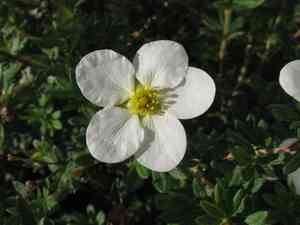
Potentilla fruticosa flourishes when receiving a minimum of 6 hours of direct sunlight each day.
2
It can endure some shade, though this might lessen bloom production.
3
Careful positioning within your landscape can enhance its exposure to solar benefits.
Optimal Light Requirements for Shrubby Cinquefoil
Full Sun Needs
For robust development and plentiful blossoms, Shrubby cinquefoil needs a minimum of 6 hours of direct solar exposure daily. Full sunlight guarantees the plant produces many flowers and retains its dense habit.
Partial Shade Resilience
While Shrubby cinquefoil favors full sun, it can also endure some partial shade. However, be aware that less light may lessen the intensity of flowering, resulting in fewer and smaller blooms. If your garden has areas that alternate between sun and shade, this tough plant can adapt, but aiming for maximum sun is always preferable.
Placing Shrubby Cinquefoil in Your Garden
Selecting the Correct Location
Choose a spot in your garden where Shrubby cinquefoil can absorb sunlight for at least 6 hours each day. Open areas with direct morning and afternoon light are perfect. If situated too close to taller shrubs or trees, the plant might be overly shaded, which could impede its growth.
Advantages of Morning Sun
Morning sunlight is especially beneficial for Shrubby cinquefoil as it helps evaporate morning dew, lowering the risk of fungal ailments. Furthermore, morning sun tends to be less harsh than afternoon sun, supplying ample light without the high temperatures that can stress plants during peak midday hours.
Preventing Excessive Exposure
While light is vital, too much exposure can sometimes be detrimental. Ensure your Shrubby cinquefoil isn't subjected to relentless, scorching afternoon sun, particularly in warmer climates. This can be managed by using shade cloths in peak summer months or strategically placing the plant to get a mix of direct and filtered light.
Consequences of Inadequate Light for Shrubby Cinquefoil
Reduced Bloom Production
If Shrubby cinquefoil doesn't receive sufficient light, you might observe a decrease in flowering. The plant's energy is directed towards survival instead of generating vibrant blooms. Ensure your plant receives at least 6 hours of sunlight to keep flowers thriving all season.
Spindly Growth
A lack of adequate light can cause Shrubby cinquefoil to develop a leggy habit, with long, weak stems stretching for illumination. This compromises the plant’s overall appearance and vigor. Placing the plant in full sun will help maintain its dense and compact shape.
Increased Disease Vulnerability
Insufficient light can also make Shrubby cinquefoil more susceptible to diseases. Damp, shaded conditions can promote fungal growth and other ailments. Ensuring proper light exposure helps dry out surplus moisture and maintains the plant's health.
Adjusting Shrubby Cinquefoil's Light Exposure
Utilizing Shade Screens
In regions with intense summer heat, shade screens can safeguard Shrubby cinquefoil from excessive exposure. These fabrics filter sunlight, providing partial shade while allowing enough light for photosynthesis. This technique is effective for preventing leaf burn and reducing heat stress.
Proximity Planting for Support
Positioning Shrubby cinquefoil near structures such as fences or trellises can offer partial shade during the warmest parts of the day. These elements can block the harshest sunlight while still allowing the plant to receive ample morning and evening light.
Seasonal Light Adaptations
As seasons change, so does the sun's angle and intensity. In summer, when the sun is stronger, consider temporary shading methods. In winter, ensure that fallen leaves or debris that might obstruct sunlight are cleared to maximize exposure during shorter days.



