How Much Sunlight Do Common turmeric Need?
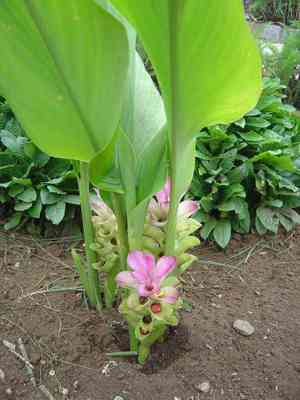
1
Common turmeric flourishes with over six hours of sun exposure each day.
2
Excessive direct sun can lead to scorched leaves on Common turmeric.
3
Indoor Common turmeric benefits from supplemental lighting, particularly during colder months.
Ideal Illumination Conditions for Turmeric
Direct vs. Diffused Light
Regarding illumination, Turmeric plants thrive with a blend of both direct and indirect exposure. Approximately 6 hours of direct sun daily is optimal, but afternoon shade can mitigate heat stress, particularly in warmer climates. The gentler light of early morning or late afternoon sun is typically perfect for this plant.
Sunlight's Role in Turmeric Development
Sunlight is vital for the healthy development of Turmeric. It facilitates photosynthesis, the process plants employ to convert light energy into the chemical energy needed for growth and vitality. Sufficient sunlight ensures the plant develops robust stems and vibrant foliage, while also aiding in the formation of its characteristic underground rhizomes.
When Is There Too Much Sunlight?
Indicators of Excessive Exposure
Excessive sunlight can cause several issues for Turmeric. Watch for signs such as scorched leaves, which may turn yellow or brown at the edges, and an overall wilted appearance despite consistent watering. These are clear signals that your plant is receiving too much direct sun.
Preventing Sun Damage in Turmeric
To prevent sun damage, consider positioning your Turmeric in an area that receives morning sun and then transitions to partial shade during the hottest parts of the day. If grown indoors, a south-facing window with a sheer curtain can help diffuse intense midday rays.
Indoor vs. Outdoor Cultivation Environments
Adjusting Light for Indoor Turmeric
When cultivating Turmeric indoors, ensure it receives as much natural light as feasible. Placing it near a bright window is beneficial, but avoid locations where it might get direct sun all day. Employing grow lights can be an excellent method for supplementing natural light, especially during shorter winter days.
Seasonal Light Considerations
Seasonal variations can impact the amount of sunlight your Turmeric receives. During winter, the sun is lower, and daylight hours are shorter. In such conditions, you may need to rotate your plant or move it to different spots throughout the year to ensure it gets the necessary light it requires.
Supplementing Natural Light
Effective Use of Grow Lights
Grow lights can be crucial for Turmeric plants that aren't getting enough natural sunlight, particularly indoor specimens. Full-spectrum LED grow lights that mimic daylight are the best option. Position the lights about 12 to 18 inches (30 to 45 cm) above the plants, and keep them on for 12-16 hours daily to simulate natural daylight cycles.
Placing Your Grow Lights
Proper placement of grow lights is essential. Ensure your Turmeric receives uniform light coverage to prevent uneven development. You may need to adjust the height of the lights as the plant matures to maintain the appropriate distance and avoid leaf burn or insufficient light exposure.
Common Issues from Inadequate Sunlight
Diagnosing Light-Related Problems
Typical problems stemming from incorrect sunlight exposure include pale foliage (indicating insufficient light) or brown, crispy leaf edges (a sign of too much direct sun). Other symptoms can include stunted growth or etiolation, where the plant grows tall and spindly as it reaches for light sources.
Addressing and Rectifying Light Issues
To resolve light problems, first observe your plant's current location and light exposure. Adjust its placement to ensure it receives the correct quantity and quality of light. For instance, if your Turmeric shows signs of too much light, provide some shade. Conversely, move it to a brighter spot if it's suffering from too little light. Utilizing grow lights can also be an effective strategy for maintaining appropriate light levels indoors.



