How Much Sunlight Do Aromatic tumeric or curcuma Need?
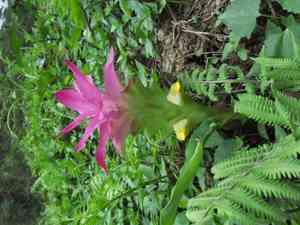
1
Fragrant turmeric flourishes optimally in partial shade, needing roughly 4-6 hours of sun each day.
2
This botanical can be cultivated indoors with appropriate illumination systems, like LED grow lamps.
3
Aromatic turmeric foliage may exhibit sunburn symptoms if subjected to excessive direct solar exposure.
Ideal Illumination Needs for Fragrant Turmeric
Optimal Light Conditions
For robust development, fragrant turmeric flourishes best in partial shade. Ideally, the plant should receive approximately 4-6 hours of bright, diffused sunlight daily. While it can endure some direct sun, excessive exposure can stress the plant and lead to leaf damage. Aim to position your fragrant turmeric where it can enjoy filtered light through tree canopies or sheer curtains if grown indoors.
Full Sun vs. Partial Shade: Which is Preferable?
Fragrant turmeric can survive in full sun, but it thrives much better in partial shade. Full sun, defined as 6 or more hours of direct sunlight daily, can result in scorched leaves and stunted growth if not carefully managed. Conversely, partial shade, characterized by 4-6 hours of sunlight, particularly during cooler parts of the day, allows the plant to prosper without the risk of overheating.
Indoor Lighting Requirements
When cultivating fragrant turmeric indoors, it's essential to replicate its natural light environment. Place the plant near a north or east-facing window where it can receive ample indirect light. If natural light is inadequate, consider employing LED grow lights to ensure the plant obtains the necessary light spectrum for photosynthesis. Aim for 12-14 hours of daily light using artificial illumination to maintain steady growth.
Sunlight's Influence on Fragrant Turmeric Development
Photosynthesis and Growth Rate
Sunlight is crucial for photosynthesis, the process by which fragrant turmeric converts light into energy for growth. Sufficient sunlight ensures the plant has enough energy to grow vigorously and produce its distinctively aromatic rhizomes. If the plant receives insufficient light, its growth may become stunted as photosynthesis slows down.
Flowering and Reproduction
The correct amount of sunlight also affects the blooming of fragrant turmeric. Adequate light promotes flowering, which is vital for pollination and subsequent seed production. Ensuring the plant has proper light exposure can lead to more frequent and vibrant blossoms, playing a key role in its reproductive cycle.
Foliage Health and Vibrancy
Healthy foliage indicates a well-lit fragrant turmeric plant. Leaves that receive the right amount of light are typically vivid and lush. Conversely, insufficient sunlight can cause leaves to become pale and less vibrant. Regularly inspect your plant's foliage to assess if it's getting appropriate light.
How to Adjust Light Exposure for Fragrant Turmeric
Indicators of Excessive Sunlight
Too much sunlight can cause the leaves of fragrant turmeric to develop sunburn or scorching, appearing as brown or bleached spots on the foliage. Another sign is wilting or crispy leaves, indicating the plant is overheated and stressed. To prevent this, consider providing partial shade using shade cloths or moving the plant to a less intense light area.
Indicators of Insufficient Sunlight
If fragrant turmeric isn't getting enough light, you might observe leggy growth, where the plant stretches towards the light source, making it appear spindly. Additionally, the leaves may become pale or yellowish, signaling an issue with chlorophyll production. Relocate the plant to a brighter spot, ensuring it receives about 4-6 hours of indirect sunlight.
Modifying Light in Different Seasons
Seasonal changes impact the intensity and duration of sunlight. During winter months, when natural light is reduced, you may need to supplement fragrant turmeric with artificial lighting to sustain its growth. In summer, monitor the plant to ensure it isn't getting too much direct sunlight, which can cause overheating.
Utilizing Artificial Light Sources
Artificial lighting can be an excellent alternative for indoor fragrant turmeric. LED grow lights are energy-efficient options that provide a full spectrum of light necessary for photosynthesis. Position the lights about 15-30 centimeters (6-12 inches) above the plant and operate them for 12-14 hours daily to ensure the plant receives adequate light.
Common Light-Related Problems and Solutions for Fragrant Turmeric
Sunburn or Scorching
If your fragrant turmeric shows signs of sunburn, such as brown or bleached spots, immediately move it to a shadier location. Providing a cover or using shade cloth can help reduce the damage. Regularly check for any new signs of scorching and adjust the plantâs exposure as needed.
Leggy Growth
Leggy growth occurs when fragrant turmeric stretches for more light, resulting in tall, weak stems. If you notice this, relocate the plant to a brighter area where it can receive more consistent light. Using supplementary lighting can also reduce legginess.
Pale Leaves
Pale or yellowing leaves are a clear indication of insufficient light. If your fragrant turmeric displays these symptoms, gradually increase its light exposure. This can be done by moving it closer to a window or adding artificial lights.
Use of Shade Cloth or Netting
Shade cloths or netting are valuable tools to protect fragrant turmeric from intense sunlight. These can help diffuse sunlight, reducing the risk of sunburn while still allowing the plant to receive the light it needs. They are especially useful in outdoor gardening during peak summer months.



