How Much Sunlight Do Mediterranean cypress Need?
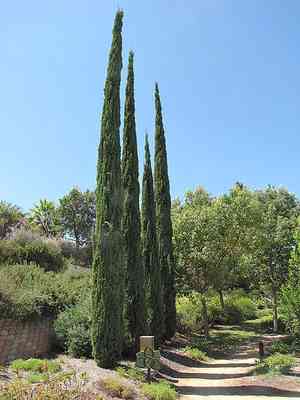
1
Mediterranean cypress flourishes optimally with a minimum of 6 hours of direct sun exposure each day.
2
Indications of inadequate light involve foliage discoloration and inhibited development.
3
Appropriate trimming can improve light access, fostering more robust development.
What are the Sunlight Requirements for Mediterranean cypress?
Ideal Sunlight Conditions
The Mediterranean cypress is a heliophilic tree that flourishes in locations receiving abundant solar exposure. Optimally, this entails a minimum of 6 hours of direct sunlight daily. The plant thrives in full sun, meaning it prospers when exposed to continuous daylight throughout the day. Such circumstances not only foster its development but also enhance its resilience against ailments and pests.
Morning Sun vs. Afternoon Sun
While the Mediterranean cypress generally favors sunlight, it's beneficial to understand the distinctions between morning and afternoon sun exposure. Morning sunlight is typically cooler and less intense, which can be advantageous for young trees or those recently transplanted. Afternoon sun, though more potent, is excellent for mature trees, aiding them in achieving optimal growth. Ensuring your cypress receives both will guarantee a flourishing, healthy tree.
Seasonal Sunlight Variations
Seasonal shifts can significantly impact solar exposure. During summer, days are longer and solar rays more intense. This marks the primary growth period for the Mediterranean cypress. Conversely, winter days are shorter and cloudier, resulting in less sunlight. Positioning your cypress in the sunniest part of your garden can help mitigate seasonal reductions in sunlight, ensuring your tree continues to thrive year-round.
Can Mediterranean cypress Thrive in Partial Shade?
Effects of Partial Shade on Growth
While the Mediterranean cypress can endure some partial shade, extended periods of shade can be detrimental to its development. Trees receiving less than the recommended 6 hours of daily sunlight often exhibit slower growth rates and struggle to develop their characteristic tall, slender form. Partial shade might be more suitable during hot summer afternoons to shield the tree from overheating, but it should not be the norm.
Signs of Insufficient Sunlight
Recognizing indicators of inadequate sunlight is vital for preserving your tree's well-being. Common signs include yellowing or browning foliage, sparse leaves, and a general lack of vitality. Stunted development is also a significant indicator. Ensuring your Mediterranean cypress receives sufficient sunlight can prevent these issues, promoting a lush, vibrant tree.
How to Optimize Sun Exposure for Mediterranean cypress
Selecting the Perfect Location
Choosing the appropriate site for your Mediterranean cypress is crucial. Opt for areas in your garden that receive direct sunlight for the majority of the day. Avoid placing it beneath large trees or adjacent to tall structures that might cast shadows and restrict sun exposure. South-facing locations are typically the best choice as they offer the longest exposure to sunlight throughout the day.
Adjusting Planting Orientation
Proper planting alignment can help maximize solar exposure. When planting multiple Mediterranean cypress trees, arrange them in rows extending from north to south. This configuration ensures that each tree receives ample sunlight from both eastern and western directions, preventing overshadowing and fostering uniform growth.
Pruning for Better Sunlight Penetration
Regular trimming can help improve sunlight penetration to the inner branches of your Mediterranean cypress. Removing dead or overcrowded branches allows light to reach deeper into the canopy, supporting overall tree health. Pruning should be done carefully and not excessively, as it could stress the tree.
Common Sunlight-Related Issues for Mediterranean cypress
Sunburn and Scorch Symptoms
Excessive exposure to intense solar radiation can lead to sunburn or scorch, identifiable by dry, brown patches on the foliage. While the Mediterranean cypress prefers full sun, it can become stressed if abruptly exposed to extreme conditions, particularly after being in shade. Gradually acclimating the tree to full sun can prevent such damage.
Preventing Overexposure
To prevent overexposure, applying a layer of mulch around the tree's base can help regulate soil temperature and retain moisture. If you're planting a new cypress, consider using a light shade cloth temporarily during the hottest parts of the day until the tree establishes and adapts to full sun conditions.
Treating Sun Damage
If your Mediterranean cypress experiences sun damage, immediate actions should be taken to mitigate further harm. Trim away damaged foliage to prevent diseases and pests. Ensure the tree is adequately watered, especially during dry periods, and use a slow-release fertilizer to support recovery. In severe cases, temporary shading can help until the tree stabilizes.
Frequently Asked Questions About Mediterranean cypress Sunlight Needs
How many hours of sunlight does a Mediterranean cypress need per day?
The Mediterranean cypress requires a minimum of 6 hours of direct sunlight daily to flourish. Full sun conditions are optimal for supporting vigorous growth and preventing common issues related to insufficient light.
Can Mediterranean cypress survive in low light conditions?
Mediterranean cypress is not well-suited for low light environments. Extended exposure to inadequate light can result in poor growth, yellowing foliage, and an increased susceptibility to pests and diseases.
What are the best practices for ensuring adequate sunlight exposure?
Optimal practices include selecting south-facing planting sites, keeping trees clear of obstructions that could cast shadows, and employing proper pruning techniques to maintain an open canopy. Regularly monitoring the tree's health and adjusting its care routine based on seasonal changes can also help ensure it receives sufficient sunlight.



