How Much Sunlight Do Kashmir cypress Need?
1
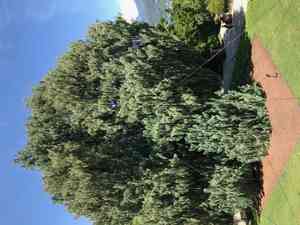
Kashmir cypress flourishes optimally in bright, direct sunlight.
2
Typically, this tree requires a minimum of 6-8 hours of direct sun each day.
3
Inadequate light exposure can result in diminished growth and leaf color changes for Kashmir cypress.
Kashmir Cypress Sunlight Requirements Overview
Significance of Adequate Sunlight
Sunlight is crucial for the Kashmir cypress's health and development. Solar energy is essential for photosynthesis, allowing the tree to generate the sustenance and power it needs to thrive. Without sufficient light, the Kashmir cypress may weaken, become more disease-prone, and fail to reach its full size potential.
Typical Light Preferences
The Kashmir cypress thrives in full sun but can endure some partial shade. Full sun implies the plant should get at least 6 hours of direct sunlight daily, which helps maintain its healthy, vibrant look. While partial shade is acceptable, expecting optimal growth and dense foliage under such conditions is unrealistic.
Ideal Sunlight Conditions
Direct vs. Indirect Sunlight
For the Kashmir cypress, direct sunlight is more advantageous than indirect. Direct sunlight means uninterrupted, unblocked light reaching the plant, while indirect light is filtered through leaves or curtains, lessening its intensity. Direct sunlight provides the tree with the intensity needed for robust photosynthesis.
Optimal Daily Sunlight Duration
To promote growth, the Kashmir cypress should ideally receive 6 to 8 hours of direct sunlight daily. This exposure ensures the tree gets enough light energy for photosynthesis, fostering healthy development and resilience. Less than this may result in slower growth and a less vibrant appearance.
Sunlight and Kashmir Cypress Growth Patterns
Impacts of Insufficient Sunlight
Low light conditions can severely impede the Kashmir cypress's growth. The tree might exhibit etiolated growth, stretching towards the light source, and its leaves may become pale or yellow, indicating chlorosis. Over time, inadequate sunlight can lead to weakened health, making the tree vulnerable to pests and diseases.
Advantages of Optimal Sunlight Exposure
With optimal sunlight, the Kashmir cypress benefits from vigorous growth, lush green foliage, and a well-defined structure. The tree is better equipped to resist diseases and recover from stress, leading to a long-lasting and aesthetically pleasing presence in your landscape.
Seasonal Sunlight Exposure Adjustments
Winter Sunlight Needs
During winter, the Kashmir cypress may experience fewer sunlight hours. It's important to maximize the tree's sun exposure by placing it in the brightest available spot. If indoors, a south-facing window can provide necessary light. Reflective surfaces can also help increase light reaching the tree.
Summer Sunlight Needs
In summer, the Kashmir cypress enjoys abundant sunlight, performing at its best. However, in regions with intense midday sun, some light shade during the hottest part of the day can prevent potential leaf scorch. Regular watering and mulching help maintain soil moisture under relentless summer sun.
Common Sunlight-Related Issues and Solutions
Signs of Excessive Sunlight
While the Kashmir cypress needs ample sunlight, too much exposure can cause stress, such as scorched leaves, brown tips, and wilting. To alleviate this, ensure the tree is well-watered and consider using a shade cloth during peak summer hours to diffuse intense light.
Signs of Inadequate Sunlight
If your Kashmir cypress receives too little sunlight, you'll notice sparse foliage, yellowing leaves, and stunted growth. These indicate inefficient photosynthesis. Moving the tree to a sunnier spot or pruning nearby plants that block light can be effective solutions.
How to Modify Sunlight Exposure
Adjusting sunlight exposure for the Kashmir cypress involves careful placement monitoring. If outdoors, choose a full-sun area. If sun stress signs appear, introducing partial shade can help. Use reflective materials or white surfaces around indoor plants to boost light exposure.



