How Much Sunlight Do Natal lily Need?
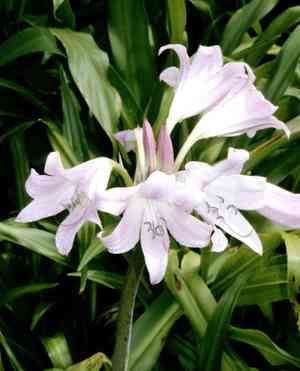
1
Natal lilies flourish optimally in bright, direct, or filtered light, ideally getting more than six hours of sun each day.
2
Too much direct sun exposure can result in scorched foliage and duller hues for Natal lilies.
3
Not enough light can cause sluggish development and light-colored leaves in your Natal lily.
Optimal Illumination for Natal lily
What is the Best Light Intensity for Natal lily?
The Natal lily is a lovely and resilient plant that flourishes under various light conditions. However, for peak development, it prefers full to partial sun. This means the plant should get at least 6 hours of direct sunlight daily. Ideally, the morning sun, which is less harsh, is perfect for the Natal lily. Ensuring this balance will help it grow strong, healthy foliage and vibrant flowers.
Can Natal lily Thrive in Low Light?
While the Natal lily is quite adaptable, dim light conditions are not ideal for its growth. In low light, the plant's development will be significantly slower, and it may not flower as abundantly. If only low light is available, consider supplementing with artificial grow lights to provide the necessary light intensity.
Indicators Your Natal lily is Receiving Excessive Sun
Leaf Scorch and Browning
One of the clearest signs your Natal lily is getting too much sunlight is the appearance of leaf burn or scorch marks. These will show as brown or crispy edges on the leaves. If you observe these symptoms, it's crucial to relocate the plant to an area with filtered sunlight or partial shade, especially during the warmest parts of the day.
Diminished Green Hue
Another sign of excessive sunlight exposure is a change in leaf color. Leaves stressed from too much sun will often begin to fade, turning a lighter shade of green or even yellowish. This faded coloring can be your plant's way of indicating it needs more protection from intense sunlight.
Indicators Your Natal lily is Not Receiving Sufficient Sun
Stunted Growth and Small Leaves
A Natal lily that doesn't get enough sunlight will exhibit slow growth and produce smaller-than-average leaves. This is because the plant isn't receiving the energy it needs from sunlight to support vigorous growth. Placing the plant in a brighter location can help stimulate new growth and larger, healthier leaves.
Pale or Yellowish Foliage
Pale or yellowing leaves often signal that your Natal lily isn't getting enough light. Without sufficient sunlight, the plant's leaf color may become dull and lifeless. To remedy this, try gradually increasing light exposure by moving the plant to a brighter spot or supplementing with artificial light.
Modifying Light Exposure for Natal lily
How to Increase Light for Indoor Natal lily
For indoor Natal Lilies, positioning them near a south-facing window where they can receive ample light is beneficial. You can also use sheer curtains to diffuse the sunlight and shield the plant from direct, harsh rays. Alternatively, consider using artificial grow lights to ensure your plant gets the required amount of light.
Protecting Natal lily from Intense Sunlight
If your Natal lily is outdoors or in a location with strong sunlight, it's essential to provide some shade during peak sunlight hours. You can use garden netting, shade cloth, or even place other taller plants nearby to offer protection. Moving the plant to a spot with dappled sunlight or partial shade can also help.
Seasonal Light Variations and Natal lily Care
Winter Light Requirements for Natal lily
During the colder months, the intensity and duration of natural sunlight decrease, which may impact your Natal lily. Ensure the plant is in the brightest available spot, and consider using artificial grow lights to supplement the reduced natural light. Even in winter, aim for at least 6 hours of light daily to maintain your Natal lily's health.
Summer Light Adjustments for Natal lily
Summer brings brighter and longer days, which can be both an advantage and a challenge for your Natal lily. Ensure the plant receives its necessary sunlight in the morning and consider providing some shade during the hottest parts of the day to prevent leaf burn. Adjust watering schedules as well, as increased sunlight can lead to faster soil drying.



