How Much Sunlight Do Poisonbulb Need?
1
Poisonbulb flourishes with 6-8 hours of direct sun each day.
2
Indoors, Poisonbulb can manage with plenty of indirect light and some supplemental artificial illumination.
3
If Poisonbulb's leaves turn yellow, it frequently indicates inadequate light exposure.
Optimal Sunlight Conditions for Poisonbulb
Ideal Light Intensity
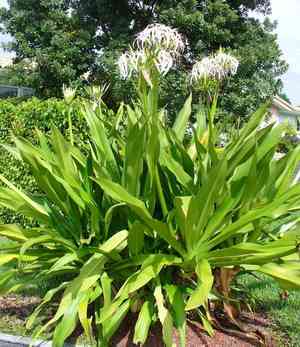
The Poisonbulb, a striking ornamental plant with broad, lush leaves and beautiful blooms, requires ample illumination for vigorous development. Ideally, this plant thrives in full sunlight, meaning it should receive at least 6-8 hours of direct sun daily. This ensures efficient photosynthesis, leading to robust growth and abundant flowering.
Duration of Sunlight Exposure
As Poisonbulb demands full sun, continuous sunlight exposure is crucial. If grown outdoors, it's best positioned where it gets unfiltered sunlight for most of the day. Indoors, placing it in a bright, sunny spot will help. Given its light needs, locations like south-facing windowsills are perfect for prolonged daily exposure.
Signs of Proper Sunlight
A Poisonbulb receiving optimal sunlight will display vigorous growth, with vibrant green foliage and frequent blooms. Correct light exposure results in strong, sturdy leaves and stems, and vivid flowers. If your Poisonbulb appears lush and flowers regularly, it indicates adequate sunlight.
How to Adjust Sunlight for Indoor Poisonbulb Plants?
Using Artificial Lighting
For indoor Poisonbulb plants, artificial lighting can supplement natural sunlight. Employing grow lights, especially full-spectrum bulbs, can mimic natural sunlight and ensure the plant gets the necessary light intensity and duration. Set the lights for approximately 10-12 hours daily to compensate for any natural light deficiency.
Positioning Near Windows
When cultivating Poisonbulb indoors, window placement is vital. Ideally, position the plant near a south or west-facing window to receive maximum daily sunlight. If one side of the plant grows more vigorously, rotate it periodically to ensure even light distribution.
Avoiding Direct Sunlight Issues
Occasionally, harsh direct sunlight, particularly through glass, can scorch the leaves of your indoor Poisonbulb. To prevent this, consider using sheer curtains to diffuse the light. This protects the plant from intense rays while still providing sufficient light for thriving.
How to Identify Sunlight Issues in Poisonbulb?
Leaves Turning Yellow or Brown
Yellowing or browning leaves can signal sunlight problems in Poisonbulb. If the plant lacks sufficient light, its leaves may begin to yellow due to inadequate photosynthesis. Conversely, brown and crispy edges can indicate sunburn from excessive direct sunlight.
Signs of Too Much Sunlight
While Poisonbulb prefers full sun, overly intense light can be detrimental. Indicators of excessive sunlight include scorched or sunburnt leaves that become brown and crispy. To manage this, provide some shade during peak sunlight hours or move the plant to a location with filtered light.
Signs of Insufficient Sunlight
If your Poisonbulb isn't getting enough light, you'll observe spindly, leggy growth and a lack of flowering. The leaves might appear pale and thin. In such instances, relocate the plant to a brighter area or add artificial lighting to boost light levels.
Best Practices for Outdoor Poisonbulb Sunlight Management
Choosing the Right Location
When planting Poisonbulb outdoors, selecting a full-sun location is crucial. Ensure the spot remains sunny throughout the day without obstruction from buildings or trees. An ideal location enhances the plant's growth and blooming potential.
Seasonal Adjustments
Seasonal changes affect sunlight angle and intensity. During summer, ensure the plant avoids excessive sun exposure by providing partial shade during peak hours. In winter, consider planting it where it can receive maximum sunlight, as light is less intense and for shorter durations.
Using Shade Cloths
In extremely sunny regions, employing shade cloths can help manage the Poisonbulb's sunlight exposure. Shade cloths offer a balance by filtering intense sunlight, preventing the plant from burning while still providing ample light for growth.



