How Much Sunlight Do Red pagoda Need?
1
Red pagoda achieves optimal growth with a minimum of six hours of direct sun exposure each day.
2
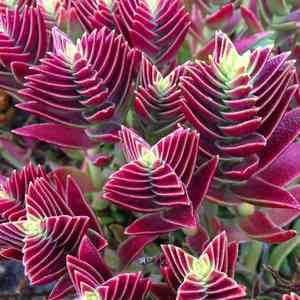
Excessive shade can lead to the Red pagoda's loss of its striking crimson hue.
3
If indoor natural light is inadequate, contemplate supplementing with horticultural lighting.
Optimal Light Conditions for Red pagoda
Direct Sun vs. Partial Shading
The Red pagoda is a succulent that thrives with ample sunlight, meaning it benefits from direct exposure for at least six hours daily. However, it can also tolerate some shade, particularly during the peak heat of the day. In partial shade, the plant might not develop its signature vibrant red colors as intensely as it would in full sun. Ideally, an outdoor spot where it receives morning light and some afternoon shade is perfect for maintaining its vitality and hue.
Effect on Development and Coloration
The quantity of sunlight a Red pagoda receives directly influences its development and visual appeal. In ideal, full sun exposure, the plant grows vigorously and displays brilliant red leaf coloration. Conversely, insufficient light can lead to slower development and a duller, more greenish appearance. Indoor specimens, in particular, may experience this problem and require close observation to ensure adequate illumination. Bright, indirect light can also suffice in a pinch, but the best outcomes arise from abundant sunny locations.
How to Assess Light Exposure for Red pagoda
Employing Light Meters
A useful instrument for guaranteeing your Red pagoda receives the correct amount of illumination is a light meter. This apparatus measures light intensity in a specific area, providing readings in lux or foot-candles. By positioning the light meter at the level of your plant's foliage, you can ascertain if the light is adequate. For prime development, target readings between 10,000 to 12,000 lux (approximately 930 to 1,115 foot-candles).
Formed by Shadows
Another technique to evaluate sun exposure involves observing the shadows cast by nearby objects. Full sun conditions will produce strong, well-defined shadows, indicating high light intensity. If shadows are weak or absent, the location may be too shaded for a Red pagoda. Monitoring these shadows throughout the day can provide a fundamental, yet effective, assessment of the sunlight your plant is experiencing.
Modifying Light for Indoor Red pagoda
Optimal Window Placement
For Red pagoda plants kept indoors, choosing the right window is essential. South or west-facing windows typically offer the most sunlight, providing your plant with at least six hours of illumination. If direct sun through these windows is too strong, sheer curtains can softly diffuse the light, protecting the plant from potential sunburn while still supplying sufficient brightness.
Utilizing Grow Lights
When natural sunlight is limited, especially during colder months or in north-facing rooms, grow lights can be a beneficial addition. LED or fluorescent grow lights positioned 12-24 inches (30-60 cm) above the plant can mimic natural sunlight and ensure your Red pagoda continues to flourish. Aim for approximately 12 to 16 hours of artificial light daily to simulate a full day of sunshine.



