How Much Sunlight Do Rockspray cotoneaster Need?
1
Rockspray cotoneaster flourishes optimally with 3-6 hours of direct sun each day, preferring a partial sun exposure.
2
While this species can endure full sun, watch for indicators of sun damage.
3
Strategic positioning in your landscape can avert typical problems linked to sun exposure.
Why Is Sunlight Important for Rockspray cotoneaster?
Photosynthesis and Growth
Solar radiation is vital for photosynthesis, the process by which plants like Rockspray cotoneaster create their sustenance. Chlorophyll within the foliage transforms sunlight into energy, driving the plant's development and overall vigor. Without ample illumination, your Rockspray cotoneaster will struggle to grow robustly.
Health and Disease Resistance
Sufficient sun exposure helps boost the vitality and robustness of your Rockspray cotoneaster. Sunlight encourages stronger cell walls, which can increase the plant's resilience against diseases and pests. Plants receiving consistent light often become more sturdy and recover from environmental stresses more effectively.
Flowering and Fruiting
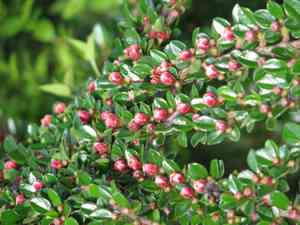
Regarding blooming and fruit production, obtaining the correct amount of sunlight is especially crucial. For the Rockspray cotoneaster, sunlight stimulates the emergence of its delicate white-pink blossoms and the formation of its vivid red berries. Insufficient light can lead to less abundant flowering and fruiting.
What Type of Sunlight Does Rockspray cotoneaster Require?
Full Sun vs. Partial Shade
Rockspray cotoneaster can adapt to various light conditions, but it flourishes in partial sun. This indicates it performs best with approximately 3-6 hours of direct sunlight daily. However, it also tolerates full sun, meaning over 6 hours of direct sunlight, provided it is gradually acclimated to prevent scorching.
Ideal Daily Sunlight Exposure
For optimal outcomes, aim for 3-6 hours of direct sun per day. If feasible, morning light is preferable as it is less intense than afternoon sun, reducing the risk of leaf burn while still providing ample illumination for the plant's needs.
How to Position Rockspray cotoneaster for Optimal Sunlight
Choosing the Right Spot in Your Garden
Start by selecting a garden location that gets morning light and light afternoon shade. This equilibrium will help your Rockspray cotoneaster flourish by supplying enough light without the danger of overheating.
Use of Reflective Mulch
Consider applying reflective mulch around your Rockspray cotoneaster. This not only aids in retaining soil moisture but also bounces extra light up into the plant, thereby indirectly increasing light exposure. This technique can be especially useful in areas where illumination might be slightly limited.
Avoiding Sunburn and Overexposure
While Rockspray cotoneaster can endure full sun, watch for indications of sunburn such as browning or brittle edges on the leaves. To prevent excessive exposure, try to gradually adjust your plant to more intense sunlight over several weeks during its initial planting stage.
Common Sunlight Issues for Rockspray cotoneaster and How to Fix Them
Signs of Insufficient Sunlight
If your Rockspray cotoneaster isn't getting enough sun, you might observe elongated growth with sparse foliage. The plant may also produce fewer blossoms and fruits. These indications suggest the plant is reaching for light and isn't thriving as it should.
Signs of Excessive Sunlight
Too much sunlight, conversely, can cause leaf scorch, appearing as brown or singed patches on the leaves. If you notice these symptoms, particularly in summer when the sun is more intense, your plant might require some protective shading.
Solutions and Adjustments
If you detect either of these problems, consider relocating your plant to a more appropriate spot. For insufficient light, try moving it to an area with more direct illumination for part of the day. If it's receiving too much sun, provide some afternoon shade using garden structures or nearby trees and shrubs as natural barriers.
Seasonal Sunlight Considerations for Rockspray cotoneaster
Summer Sunlight Intensity
During summer, the sun's rays are more powerful, and your Rockspray cotoneaster might need extra protection from prolonged exposure. Think about using shade covers during peak sunny hours or ensuring it's positioned where it can get some mid-afternoon relief.
Winter Sunlight Availability
In winter, the amount of available solar radiation diminishes. Ensure your Rockspray cotoneaster is placed where it can receive as much light as possible. Pruning back overhanging branches from nearby trees or repositioning potted plants to brighter locations can help ensure adequate light levels even during the darker months.



