How Much Sunlight Do Beaked hazelnut Need?
1
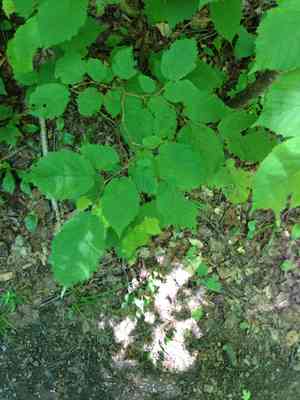
Beaked hazelnut flourishes with 3-6 hours of direct sun daily.
2
It grows best in partial shade, but can endure full sun.
3
Adjust sun exposure seasonally to improve plant vitality.
Optimal Sunlight for Beaked Hazelnut
Full Sun vs. Partial Shade
The Beaked hazelnut, valued for its nuts and ecological role, thrives best in partial shade. This means the plant ideally needs some shelter from intense midday sun. However, Beaked hazelnut is quite adaptable and can endure full sun, though this might require more watering to prevent rapid soil drying. Locations with filtered sunlight, such as beneath taller trees or in a garden with mixed sunny and shaded areas, offer an ideal setting for this hardy plant.
Daily Sunlight Requirements
For daily sunlight, Beaked hazelnut plants require approximately 3-6 hours of direct sun each day for peak development. This balanced exposure aids the plant in producing robust foliage and abundant nuts. Insufficient light can result in leggy growth, where stems stretch seeking light, while excessive direct sun can cause leaf burn. Thus, finding the ideal balance is vital for your Beaked hazelnut's health.
Positioning Your Beaked Hazelnut for Best Sunlight
Selecting the Right Garden Spot
When planting a Beaked hazelnut, location is paramount. Seek a spot that receives morning sunlight, which is gentler than afternoon rays. Optimal placement would be on the east side of a structure or a tall tree that can offer some shade during the day's hottest period. Ensure the soil in that area drains well, as waterlogged soil can negatively affect the plant's root health.
Seasonal Adjustments
Different seasons bring varying light levels, and your Beaked hazelnut will need adaptations depending on the time of year. During the spring and summer growing season, ensure the plant gets ample morning sunlight. As autumn and winter approach, the sun's intensity lessens, so your plant might benefit from a slightly more exposed position. Consider pruning nearby plants or trees if they begin to excessively shade your Beaked hazelnut.
Effects of Insufficient Sun on Beaked Hazelnut
Signs of Inadequate Sunlight
Recognizing early signs of insufficient sunlight can prevent significant stress for your Beaked hazelnut. Common indicators include elongated, thin growth as the plant reaches for available light. Leaves may also appear pale or less vibrant, signaling inefficient photosynthesis. If these signs appear, it might be time to move your plant to a brighter spot or trim back surrounding vegetation causing excessive shade.
Impact on Growth and Health
A consistent lack of adequate sunlight can lead to several problems for your Beaked hazelnut, including stunted development, reduced foliage, and fewer nuts. The plant's overall vigor may decline, making it more vulnerable to pests and diseases. To lessen these risks, ensuring your plant receives sufficient sunlight is crucial. Regularly checking light exposure and adjusting as needed can prevent these negative outcomes.
Can Beaked Hazelnut Receive Too Much Sun?
Indications of Sunburn
While Beaked hazelnut is quite resilient, it can suffer from excessive sun exposure. Signs of sunburn or too much sunlight include scorched leaf edges, browning, and wilting during the hottest part of the day. If these symptoms appear, it indicates your plant needs more shade, especially during peak sunlight hours.
Preventive Measures
To shield your Beaked hazelnut from excessive sun, particularly during intense summer months, consider adding a shade cloth or planting it near taller, deciduous trees that can provide intermittent sun protection. You can also apply mulch around the base to help retain soil moisture, keeping roots cooler and hydrated. Regular watering is essential, especially if the plant is in a sunnier location than usual.



