How Much Sunlight Do Cornus sanguinea Need?
1
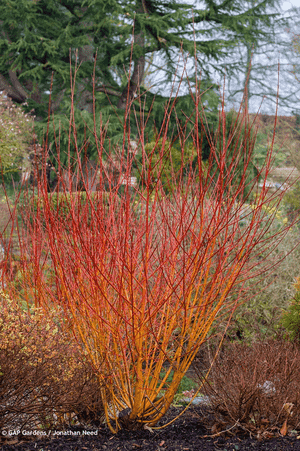
Common dogwood flourishes optimally in direct sunlight, getting over six hours of sun each day.
2
Although it can endure some shade, ensure Common dogwood receives a minimum of 3-4 hours of daily sun exposure.
3
Excessive direct sun may lead to leaf scorch, while insufficient light can hinder development and reduce flowering.
Ideal Light Conditions for Common dogwood
Full Sun vs. Partial Shade
The Common dogwood is a robust and adaptable plant capable of thriving in various light environments. Ideally, it prefers full sun, meaning it should receive over 6 hours of direct sunlight daily. This light level promotes strong development, abundant flowering, and vivid autumn leaf color. However, Common dogwood can also endure partial shade, particularly in warmer regions. In such conditions, aim for at least 3-4 hours of direct sun each day, preferably in the morning when the light is less intense.
Seasonal Light Requirements
The light needs of a Common dogwood can change with the seasons. During its active growth period (spring and summer), the plant benefits from continuous full sun exposure, encouraging vigorous growth and prolific blooms. In autumn, sunlight remains crucial for the development of its striking fall foliage colors. During winter, the plant's light demands decrease as it enters dormancy, though ensuring adequate year-round exposure prepares it for success in the subsequent growing season.
Determining Proper Sunlight for Common dogwood
Site Evaluation
To identify the best spot for your Common dogwood, observe your garden throughout the day to pinpoint areas receiving the most sunlight. Ideally, plant your Common dogwood where it gets full sun for most of the day, but consider locations offering partial shade if you reside in a particularly hot climate. An optimal site might be on the east or west side of your property, allowing the plant morning sun and protection from intense afternoon rays.
Monitoring Light Exposure
After planting your Common dogwood, it's vital to track its sunlight exposure. Note how much direct sunlight it receives daily and watch the plant for any signs of stress that might indicate too much or too little light. Employing a sunlight meter can effectively measure the precise amount of light reaching the plant. Look for consistent, healthy growth as an indication that your Common dogwood is getting sufficient sunlight.
Indicators of Excessive or Insufficient Sunlight for Common dogwood
Signs of Sun Damage
Excessive direct sunlight can lead to sunburn on your Common dogwood. Look for scorched or bleached leaves, especially on the south or west-facing sides of the plant. These symptoms suggest the plant is receiving more intense sunlight than it can tolerate. If sunburn occurs, consider moving the plant or providing some form of shading during peak sun hours.
Symptoms of Inadequate Sunlight
Conversely, insufficient sunlight can result in poor growth and fewer flowers. If your Common dogwood isn't thriving, exhibits stunted development, or lacks vibrant foliage, it might not be getting enough light. Yellowing leaves that drop prematurely can also signal insufficient sunlight. In this situation, try gradually acclimating your plant to a brighter location.
Adjusting Light for Common dogwood
Pruning for Enhanced Light Penetration
Appropriate pruning can significantly improve light penetration for your Common dogwood. Trim away overly dense or crossing branches to allow better air circulation and light to reach the plant's interior. This promotes healthier growth and reduces disease risk. Perform pruning after the plant has bloomed to avoid removing potential flower buds.
Utilizing Shade Cloth or Other Barriers
If your Common dogwood is exposed to intense sunlight, particularly during peak afternoon hours, using a shade cloth can safeguard it from sunburn. Install a cloth or another barrier to diffuse harsh rays without completely blocking the sunlight. Conversely, in areas with insufficient natural sunlight, employing reflective materials around the plant can help increase light exposure.



