How Much Sunlight Do Pacific dogwood Need?
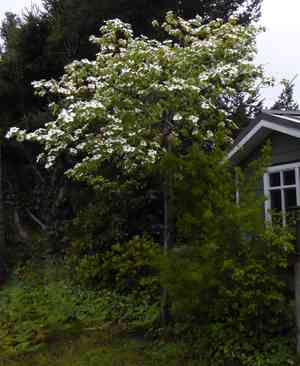
1
Pacific dogwood flourishes with at least 6 hours of direct sun each day.
2
Although Pacific dogwood can endure some shade, full sun promotes peak development and bloom production.
3
Morning sun is typically more beneficial for Pacific dogwood since it aids in drying leaf moisture, thereby lowering the chance of fungal infections.
Ideal Light Conditions for Pacific dogwood
Direct Sun vs. Partial Shade
For your Pacific dogwood to thrive, understanding the distinction between direct sun and partial shade is crucial. Direct sun means areas receiving at least 6 hours of unfiltered sunlight daily, which is perfect for this plant. Partial shade, conversely, implies 3 to 6 hours of sun per day, or filtered light through leaves. While Pacific dogwood tolerates partial shade, it reaches its peak in direct sun, resulting in healthier foliage and more vibrant blooms.
Sunlight Strength and Duration
The strength and duration of sunlight are vital elements for your Pacific dogwood's well-being. This tree flourishes with a minimum of 6 hours of direct sunlight daily. During peak growth periods, like spring and early summer, light intensity impacts the plant's photosynthesis, leading to robust growth and abundant flowering. However, excessive intense sun, especially midday, can cause leaf scorch. Balancing sunlight duration and intensity will maintain your Pacific dogwood's health.
Seasonal Light Fluctuations
Seasonal changes in sunlight significantly affect Pacific dogwood growth. In spring and summer, with longer days, the tree fully utilizes extended daylight for energy production and growth. Conversely, in fall and winter, shorter days mean less sunlight, slowing the tree's growth. Understanding these seasonal shifts helps in better gardening planning. For instance, positioning your tree for maximum sun during critical growing months can lead to a healthier plant year-round.
Indicators of Insufficient Sunlight for Pacific dogwood
Detecting Light Deficiency
Identifying signs of insufficient sunlight in your Pacific dogwood is essential. Common indicators include sparse or elongated growth, smaller leaves than usual, and fewer flowers. If your tree's leaves lack vibrancy or its overall growth appears stunted, it's likely not getting enough sunlight. Additionally, the tree might shed leaves more rapidly as a stress response to inadequate light.
Distinguishing Overexposure from Underexposure
Both excessive and insufficient sunlight can negatively impact your Pacific dogwood. Overexposure often causes leaf scorch, where leaf edges turn brown and crisp, especially during peak summer sun. In contrast, underexposure results in poor flowering and weak growth, as the plant lacks sufficient light for photosynthesis. Early identification of these signs helps adjust the tree's environment for optimal health.
Improving Sunlight Exposure for Pacific dogwood
Choosing the Correct Spot
Selecting the ideal spot for your Pacific dogwood is the initial step to ensure ample sunlight. Aim for a garden location that receives direct sun for most of the day, ideally over 6 hours. If full sun isn't feasible, choose an area with morning sun and afternoon shade; this protects the tree from intense midday heat while still providing sufficient light.
Pruning for Enhanced Light Penetration
Pruning is an effective way to improve light penetration in dense areas of your Pacific dogwood. Regularly thinning crowded branches allows more sunlight to reach the tree's interior, promoting healthier overall growth. Winter or early spring, when the tree is dormant, is the best time for pruning to avoid disrupting its growth cycle.
Using Reflective Ground Cover or Surfaces
Employing reflective mulch or surfaces around your Pacific dogwood can also boost sunlight exposure. Materials like white gravel or aluminum garden foils reflect light upwards, increasing the amount of sunlight reaching your tree's lower branches. This is particularly useful in partially shaded areas where maximizing every bit of light can significantly improve the plant's health.
Common Questions Regarding Pacific dogwood Sunlight Requirements
Can Pacific dogwood Thrive in Deep Shade?
Pacific dogwood can survive in deep shade, but its performance will be inferior to that in full sun. In shaded conditions, the tree tends to exhibit poor flowering, leggy growth, and a generally less vigorous appearance. For optimal results, aim to provide a location with at least some direct sunlight daily.
How Does Light Influence Blooming?
Sunlight plays a critical role in the blooming of Pacific dogwood. Sufficient sunlight exposure helps the tree generate more energy, which it then allocates to flower production. Trees planted in full or nearly full sun conditions often produce more abundant and vibrant blooms compared to those in shadier areas. Therefore, ensuring ample sunlight is key to enjoying its beautiful flowers.
Is Morning or Afternoon Sun Preferable?
Morning sun is generally more advantageous for Pacific dogwood than afternoon sun. Morning light helps to quickly dry dew, reducing the risk of fungal diseases and promoting healthier leaves and flowers. Additionally, morning sun tends to be less intense than afternoon sun, which can be particularly harsh and may lead to leaf burn.



