How Much Sunlight Do Whorled tickseed Need?
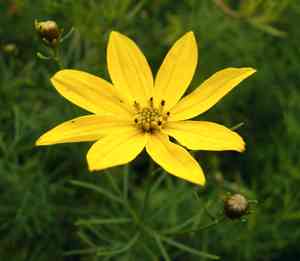
1
Coreopsis verticillata flourishes optimally with a minimum of six hours of direct sun each day.
2
It can endure some shade, particularly in warmer regions.
3
Insufficient light exposure may result in diminished blooms and elongated stems.
Optimal Light Conditions for Whorled Tickseed
Full Sun Exposure
For Whorled tickseed, ample direct sunlight is paramount. This entails providing the plant with a minimum of six hours of direct sun daily. Full sun enables efficient photosynthesis, promoting robust growth and abundant blooms. Placing your Whorled tickseed where it gets morning and afternoon sun will yield the most vivid flowers. Ensure minimal shading during these peak sun hours for optimal plant health.
Partial Shade Tolerance
While full sun is preferred, Whorled tickseed can endure partial shade, especially in gardens with hotter summers. Partial shade means the plant receives about 3-6 hours of sunlight, typically in the morning or late afternoon. This might result in slightly fewer flowers, but the plant will remain healthy. Areas with dappled sunlight could be suitable for Whorled tickseed during the hottest summer months.
How to Position Whorled Tickseed for Best Sunlight
Prime Garden Locations
When planting Whorled tickseed outdoors, select a spot that gets continuous sunlight for most of the day. South-facing gardens, with their more consistent sun exposure, are usually ideal. Avoid areas shaded by large trees or structures. When designing a flower bed, consider the sun's path to ensure Whorled tickseed isn't overshadowed by taller plants.
Appropriate Window Sills for Indoor Cultivation
If cultivating Whorled tickseed indoors, choose a window sill that receives abundant sunlight. South and west-facing windows are generally best, offering the most intense light. Ensure the plant gets at least 6 hours of direct sun, and rotate the pot regularly for balanced growth. If natural light is scarce, using a grow light can help replicate outdoor sun conditions.
Seasonal Light Requirements
Spring and Summer
During spring and summer, Whorled tickseed actively grows and flowers. This period demands the most sunlight, roughly 6-8 hours daily. Keep your plant in full sun during these peak growing seasons, as this fosters more vigorous growth and a spectacular floral display. Consistent watering and sun exposure are crucial for a thriving plant in warmer months.
Fall and Winter
In fall and winter, Whorled tickseed's sunlight needs decrease, primarily because its growth slows. With shorter daylight hours, the plant will naturally receive less sun. However, it's important to ensure it still gets some light to maintain health. If your region often has overcast weather, consider moving potted plants closer to windows to maximize available natural light.
Indicators of Insufficient Sunlight
Reduced Flowering
A key sign that your Whorled tickseed isn't getting enough sunlight is diminished flowering. The plant heavily relies on sunlight for the energy to produce its vibrant blooms. If you observe fewer flowers than usual, evaluate the light the plant receives and consider moving it to a sunnier location or pruning overhanging branches that cast shade.
Leggy Growth
Leggy growth, characterized by long, sparse stems, also signals inadequate sunlight. Whorled tickseed may stretch towards the light if it's not receiving enough, leading to undesirable elongated stems. To correct this, ensure the plant is placed in a spot with ample daily sunlight. In some instances, pruning can encourage more compact growth.
Indicators of Excessive Sunlight
Leaf Scorching
Too much sunlight can cause leaf scorching, where leaf edges turn brown and crisp. This typically occurs if the plant is exposed to extreme summer heat without sufficient watering. To prevent scorching, ensure regular watering during hot periods and consider providing temporary shade during the most intense midday sun. Monitoring soil moisture levels can also help mitigate this issue.
Wilting
Wilting is another symptom of receiving too much sun, often exacerbated by insufficient watering. The plant may appear droopy and lifeless if it's absorbing more sunshine than it can handle. If your Whorled tickseed shows signs of wilting, it might be time to move it to a slightly shadier spot or increase your watering frequency to prevent dehydration.



