How Much Sunlight Do Large-flowered tickseed Need?
1
Large-flowered tickseed flourishes when exposed to more than 6 hours of direct solar illumination each day.
2
While it can endure some shade, its most abundant flowering occurs in complete sunlight.
3
Observing for indicators of excessive sun exposure helps maintain more vigorous plant development.
Ideal Light Requirements for Coreopsis grandiflora
Requirements for Full Sun
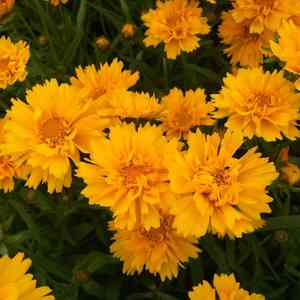
Coreopsis grandiflora thrives in abundant light, flourishing with over six hours of direct sun daily. This full exposure encourages vibrant, strong blooms and robust foliage. In areas with ample sunshine, positioning your coreopsis in an open, bright location will result in flourishing, attractive displays.
Seasonal Changes in Sunlight
It's crucial to consider how seasonal variations impact the light exposure for your Coreopsis grandiflora. During the height of summer, when solar intensity is greatest, your coreopsis might need some midday protection, especially in extreme heat. Conversely, in the shorter winter days, ensuring the plant receives sufficient sunlight by selecting strategic, sun-catching planting sites is vital.
Recognizing Sun Damage in Coreopsis grandiflora
Signs of Too Much Sun
While Coreopsis grandiflora enjoys the sun, excessive direct light can cause sun stress. Indications include seared or brown leaf edges, wilting in the afternoon heat, and a general decrease in plant vitality. If these symptoms appear, offering some afternoon shade can help relieve the plant's stress.
Signs of Insufficient Sun
Inadequate light can also be detrimental to Coreopsis grandiflora. Symptoms of insufficient sun exposure include sparse flowering, elongated growth, and discolored or yellowed leaves. These signs suggest the plant is reaching for light and lacks the energy for vigorous growth and blooming.
Best Practices for Ensuring Proper Light Exposure
Optimal Planting Locations
For prime light exposure, plant your Coreopsis grandiflora in a south-facing area where it can absorb sunlight for most of the day. In regions with particularly hot summers, an east-facing spot that gets morning sun and afternoon shade can prevent overheating while still providing enough light.
Utilizing Shade Cloth and Other Aids
During periods of intense sun or heatwaves, a shade cloth can shield your Coreopsis grandiflora from sunburn. These cloths can be placed over plants during the hottest parts of the day. Additionally, planting taller specimens nearby can offer natural shade and lessen the intensity of direct sun on your coreopsis.
Common Errors to Avoid
Planting in Constant Shade
A frequent error is placing Coreopsis grandiflora in overly shaded areas. Consistent lack of light will result in stunted growth, fewer flowers, and overall unhealthy plants. Always ensure your coreopsis gets plenty of direct sunlight to thrive.
Overexposure to Direct Sunlight
Conversely, exposing your coreopsis to relentless, intense sunlight all day, especially in scorching climates, can cause sun damage. Balancing ample sunlight with occasional shade helps maintain plant health and bloom quality.
Additional Advice for Thriving Coreopsis grandiflora
Ongoing Observation and Adjustments
Regularly inspect your plant's condition and modify its environment as necessary. For example, if you observe signs of sun stress, either relocate the plant to a slightly shadier spot or provide temporary shading during peak sun hours.
Complementary Care Practices
Beyond proper sunlight, ensure your Coreopsis grandiflora receives adequate water and nutrients. Well-draining soil and periodic feeding with a balanced fertilizer support robust growth. Mulching around the base can help maintain soil moisture and regulate temperature.



