How Much Sunlight Do Ti plant Need?
1
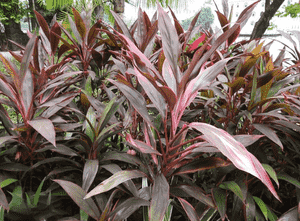
Ti plants flourish most effectively with moderate sunlight, requiring roughly 3 to 6 hours of daily exposure.
2
Although Ti plants can endure direct sun and deep shade, ideal circumstances promote vivid leaf coloration.
3
In colder months, supplementary artificial illumination might be essential to sustain vigorous indoor development.
Does the Ti Plant Prefer Sun or Shade?
Optimal Light Conditions for Ti plant
Achieving the ideal sunlight balance for your Ti plant is vital for promoting lush foliage and vigorous development. Ideally, the Ti plant flourishes in partial sunlight, receiving 3-6 hours of indirect illumination daily. While it can withstand some direct sun, too much can lead to leaf scorching, especially from intense afternoon rays. Position your plant where it can receive gentle morning light or filtered light throughout the day to replicate its natural setting.
Understanding Natural Habitat
Grasping the Ti plant's natural environment helps in recreating its perfect conditions indoors. Indigenous to tropical zones, it often grows beneath the canopy of larger trees, where it receives dappled sunlight. This filtered illumination ensures the plant gets adequate light without the risk of leaf scorching. Strive to imitate these under-canopy conditions in your home or garden by using sheer curtains for indoor plants or strategic placement outdoors to avoid the harshest sun.
Ideal Sunlight Duration for Ti plant
Daily Exposure Recommendations
For vigorous development, the Ti plant benefits from 3-6 hours of sunlight daily. This exposure should be predominantly indirect to prevent potential sunburn. Morning sunlight is especially advantageous, as it is less intense than afternoon rays. If you position your plant near a window, ensure it's an east-facing one where it will capture the softer, early light to help your plant thrive.
Seasonal Light Variations
Adjusting light exposure can be critical across different seasons. In summer, sunlight is more intense, so you may need to offer some shade or move your plant slightly away from windows to prevent leaf scorch. Conversely, in winter, sunlight is less intense and days are shorter. During this period, consider supplementing natural light with artificial grow lights to ensure your Ti plant receives the necessary illumination for healthy photosynthesis.
Effects of Light Intensity on Ti plant Health
Signs of Overexposure
Excessive direct sunlight can cause considerable stress to your Ti plant. Look for indicators such as scorched or brown-tipped leaves, which signal sunburn. Additionally, the foliage might appear faded or discolored if exposed to overly intense light. To avert overexposure, consistently monitor the plant's state and adjust its location based on the intensity of sunlight it receives.
Effects of Insufficient Light
Inadequate light can also negatively impact the Ti plant. If your plant isn't getting enough illumination, its growth will decelerate, and the vibrant hues of its leaves may begin to dull, making them appear lackluster. Yellowing leaves and defoliation are common indicators of insufficient light. Ensure your Ti plant receives its required light by placing it in a brighter location or utilizing artificial lights if needed.
How to Adjust Light for Indoor Ti plant
Using Artificial Lighting
When natural light is unavailable or insufficient, artificial lights can be a crucial aid for your indoor Ti plant. LED grow lights are an excellent choice as they are energy-efficient and can be tailored to provide the correct light spectrum for plant growth. Position the lights approximately 30-45 cm (12-18 inches) above the plant and operate them for 12-16 hours per day to provide an adequate light supplement.
Best Placement in Your Home
Placement within your residence is vital for maximizing light exposure without causing harm. The optimal spot for an indoor Ti plant is near an east-facing window where it can enjoy gentle morning sunlight. If an east-facing window isn't feasible, a location where the plant receives bright, indirect light for most of the day is a suitable alternative. Ensure the plant is not too close to windows with intense afternoon sun to prevent potential leaf burn.



