How Much Sunlight Do Cabbage tree Need?
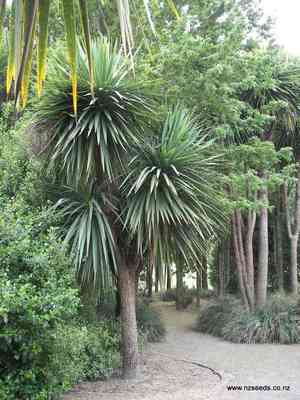
1
The Cabbage tree flourishes with ample sunshine, requiring a minimum of six hours of direct light each day.
2
Excessive solar exposure can cause the Cabbage tree's foliage to burn, leading to discoloration.
3
In colder months, the Cabbage tree might demand less light, suggesting a move for indoor specimens to a sunnier position.
Why Sunlight is Vital for the Cabbage Tree
Energy Conversion and Development
Direct light is essential for the Cabbage tree's photosynthesis, the process converting illumination into energy for growth. This energy drives its development, especially its characteristic long, sword-shaped foliage. Sufficient light promotes strong roots and a sturdy trunk, critical for the plant's health and longevity.
Overall Plant Wellness
Beyond fueling growth, solar exposure contributes to the plant's general health. Sunlight aids in producing vital pigments like chlorophyll, indispensable for the Cabbage tree. Ample light also helps prevent disease and encourages a vibrant look. Insufficient light can result in stretched growth and dull colors, indicating poor health.
Required Sunlight for the Cabbage Tree
Optimal Daily Light Exposure
The Cabbage tree thrives in full sun, needing over 6 hours of direct sunlight daily. Confirm that your chosen spot can deliver this light level, particularly during peak growing periods. While it can endure partial sun (3-6 hours), full sun maximizes its growth and vitality.
Seasonal Light Demands
The Cabbage tree's light needs may shift with the seasons. In summer, ensure it gets plentiful light by placing it in a spot with direct sun all day. During winter, especially for indoor plants, the Cabbage tree might need moving to a brighter spot due to weaker sunlight and shorter days.
Best Spots for Your Cabbage Tree
Indoor Placement
When indoors, position your Cabbage tree near a south-facing window for consistent light exposure throughout the day. Use sheer curtains to soften harsh rays if the sun is too strong. Regular rotation can ensure balanced growth by distributing light evenly.
Outdoor Placement
Outdoors, plant the Cabbage tree in a location that gets uninterrupted sunlight for most of the day. Ideal spots are the southern or western parts of your garden with minimal shade from buildings or other plants. Monitor light patterns yearly to make necessary adjustments.
Indicators of Too Much or Too Little Light
Symptoms of Excessive Exposure
Overexposure to sunlight can cause leaf scorching, leading to brown, crispy, discolored leaves. This often comes with a drooping appearance and can stress the plant. In such cases, consider relocating the plant to a slightly shadier area or providing partial shade during the hottest part of the day.
Symptoms of Insufficient Exposure
Conversely, if the Cabbage tree receives too little light, it may show slow growth, leggy stems, and pale or yellowing leaves. These signs indicate inadequate light for proper photosynthesis. Moving the plant to a brighter spot can help it regain vitality and healthy coloring.
Adjusting Light for the Cabbage Tree
Utilizing Shade or Supplemental Lighting
If natural light is inconsistent or too intense, shade cloths can help filter light and protect the Cabbage tree from burns. For indoor plants or during low natural light, artificial grow lights can supplement sunlight. These lights should be positioned close to the plant and used for at least 12-16 hours daily to mimic natural sunlight.
Adjusting Position and Orientation
Regularly check your Cabbage tree's location to ensure optimal light. This might involve shifting the plant's position by a few feet or rotating it to provide even light exposure to all sides. Outdoor plants can benefit from seasonal repositioning to ensure they receive the best light throughout the year.



