How Much Sunlight Do Blue mistflower Need?
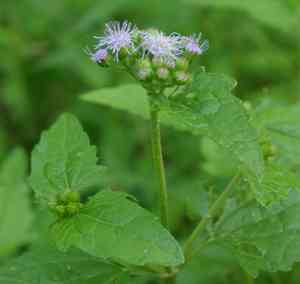
1
Blue mistflower flourishes in full sun but can also endure some partial shade.
2
For best development, the plant needs approximately 6-8 hours of sunlight daily.
3
Insufficient or excessive light can cause particular signs detrimental to the plant's well-being.
Optimal Light Conditions for Blue mistflower
Full Sun vs. Partial Shade
The Blue mistflower adapts well to varying light requirements. Ideally, it thrives in full sun exposure, meaning it receives at least six hours of direct sunlight daily. However, it also performs adequately in partial shade, especially in hotter climates where intense afternoon sun can be detrimental. In areas with milder temperatures, a sunny position will promote the best growth and flowering.
Daily Light Exposure Required
For robust development, the Blue mistflower should ideally receive between 6 to 8 hours of sunlight each day. This exposure facilitates efficient photosynthesis, leading to vigorous growth and vibrant blooms. Morning sunlight is particularly advantageous, supplying essential energy while avoiding the harshest midday rays.
Seasonal Light Fluctuations
Seasonal changes can influence the amount of sunlight your Blue mistflower receives. During spring and summer, with longer days, your plant will likely get ample sun naturally. In autumn and winter, reduced daylight hours and lower sun intensity might necessitate moving the plant to a brighter spot or supplementing with artificial light to maintain its vitality.
Effects of Excessive Sun on Blue mistflower
Identifying Sunburn Indicators
Similar to humans, plants can suffer from too much sun. If your Blue mistflower exhibits signs of sunburn, you might observe scorched, dry, or browned leaf edges. This frequently occurs when the plant is exposed to intense afternoon sunlight without any protection. Wilting and a general decline in health can also be warning signs.
Preventative Measures for Sun Exposure
To prevent sunburn, consider planting your Blue mistflower in a location where it can receive some protection from the strong afternoon sun, such as beneath a tall tree or next to a structure that offers afternoon shade. You can also utilize shade cloths during peak sun intensity periods or simply water it more frequently to help the plant cope with heat.
Effects of Insufficient Sun on Blue mistflower
Recognizing Symptoms of Inadequate Light
When the Blue mistflower doesn't receive enough sunlight, it may become elongated and weak, stretching towards the nearest light source. The leaves might turn pale green or yellow, and the plant could produce fewer flowers. Insufficient sunlight also renders the plant more vulnerable to diseases due to diminished resistance.
Adjusting Light for Improved Growth
If you notice indications of insufficient sunlight, try relocating your Blue mistflower to a brighter area. Gradually increase its sun exposure to prevent shocking the plant. If natural sunlight is scarce, consider using grow lights for supplementation. Position these lights at a safe distance to mimic the effect of natural sunlight without causing damage.
Tips for Optimizing Light for Blue mistflower
Selecting the Best Planting Site
The key to optimizing sunlight is choosing an appropriate location for your Blue mistflower. Look for spots in your garden that receive morning sunlight and have partial shade in the afternoon. Observe the sun's path throughout the seasons and adjust the plant's placement as needed.
Utilizing Artificial Light When Necessary
In situations where natural sunlight is inadequate or inconsistent, artificial lighting can be a valuable tool. LED grow lights can replicate the sunlight spectrum and provide the necessary light for photosynthesis. Set these lights on a timer to ensure the Blue mistflower receives sufficient 'daylight' hours.
Balancing Light with Other Care Factors
Remember, sunlight is only one aspect of plant care. Proper watering, soil health, and fertilizer application are all crucial for the well-being of your Blue mistflower. Keep the soil consistently moist but well-drained, and use a balanced fertilizer during the growing season to support overall plant health.



