How Much Sunlight Do Taro Need?
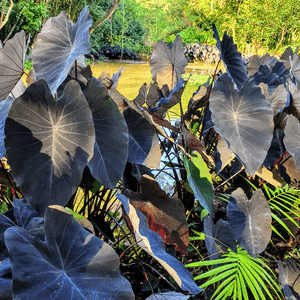
1
Taro flourishes most favorably in direct sunlight, preferably exceeding six hours daily.
2
Place indoor Taro specimens near east- or south-facing windows.
3
Indications of excessive light exposure for Taro involve scorched foliage and drooping.
Taro's Sunlight Requirements
Optimal Light Conditions
Taro plants thrive in full sun, which translates to receiving over six hours of direct sunlight daily. This ample light encourages robust growth and the development of large, luxuriant leaves. If full sun isn't consistently available, Taro can endure partial sun, provided it gets at least 3-6 hours of light. However, more sun generally leads to better overall growth.
Understanding Light Intensity
The strength of light significantly impacts your Taro's health and development. Gardeners should aim for a location where light is neither too faint nor excessively harsh. While Taro flourishes in strong sunlight, extreme intensity, particularly during peak afternoon hours, can be damaging. A balance is necessary to prevent issues like leaf scorch while ensuring sufficient light for thriving. Using transparent curtains to diffuse intense sunlight can be a practical solution.
Proper Positioning for Taro Sunlight
Indoor Placement
For indoor Taro cultivation, plant placement is critical. The most suitable spots are near east- or south-facing windows, allowing them to absorb morning light while being shielded from harsh afternoon rays. If needed, rotate the plant every few days to ensure uniform exposure and prevent lopsided growth. Observing the plant's reaction to its chosen spot will guide necessary adjustments.
Outdoor Positioning
When growing Taro outdoors, selecting the correct garden location is vital for their development. Aim for an area that receives 6-8 hours of morning sun, with some filtered shade in the afternoon. This can often be achieved by positioning the plant near taller vegetation or structures that offer light cover. Regularly checking the plant for signs of sunburn or insufficient light will help in optimizing its placement.
Impact of Sunlight Excess or Deficiency on Taro
Symptoms of Overexposure
Excessive sunlight can lead to several problems for Taro plants. Indicators include leaf scorching, appearing as brown or crisp edges, and wilting even when the soil is adequately moist. If these signs emerge, consider providing some afternoon shade or relocating the plant to a less exposed area.
Symptoms of Underexposure
Inadequate sunlight can also cause issues, resulting in stunted growth and yellowed foliage. The Taro plant might stretch and become lanky as it seeks more light. If these symptoms are observed, try moving the plant to a brighter location, ensuring it receives the required six hours of daily sunlight.
Balancing Light Exposure
Achieving the correct light balance is crucial for healthy Taro growth. Start by evaluating the plant's current position and gradually adjust its exposure based on its responses. Employing tools like light meters can assist in measuring sunlight intensity, allowing for more precise control over the plant’s environment. Discovering the ideal balance may require some trial and error, but the rewards are evident in your plant's vigorous health.
Using Artificial Light for Taro
Types of Grow Lights
When natural sunlight is scarce, artificial illumination can be a viable substitute. Various types of artificial lights are available, such as LED grow lights, fluorescent lights, and incandescent bulbs. LED grow lights are favored due to their energy efficiency and broad light spectrum, which closely imitates natural sunlight.
Setting Up Artificial Light
To set up artificial lights, position them at an appropriate distance from the Taro plant to prevent leaf burn while ensuring sufficient illumination. Typically, placing lights 30-60 centimeters (12-24 inches) above the plant is effective. Keep the lights on for approximately 14-16 hours daily to compensate for the lack of natural sunlight. Using timers can help manage the lighting schedule efficiently.
Benefits and Drawbacks
Artificial lights can greatly benefit Taro plants, particularly in settings with limited natural light. They provide consistent illumination, promoting robust growth throughout the year. However, disadvantages include the expense of acquiring and maintaining the lights, as well as the need for careful management to avoid issues like overheating.
Seasonal Impact on Taro's Sunlight Needs
Sunlight Variation by Season
Seasonal shifts influence the quantity and intensity of sunlight Taro plants receive. Summer offers longer days with ample light, while winter brings shorter days and less intense sunlight. Understanding these changes aids in adapting the plant's care regimen.
Seasonal Care Adjustments
During summer, you might need to provide some shade to prevent overexposure, whereas in winter, supplementary light sources or moving the plant to the sunniest spot can be beneficial. Monitoring temperature and humidity levels in conjunction with sunlight adjustments ensures a thriving Taro plant across all seasons.



