How Much Sunlight Do Common coleus Need?
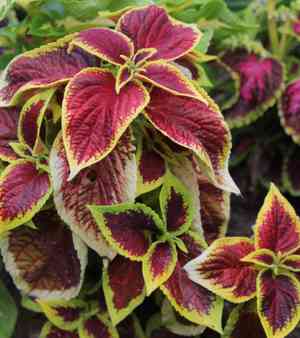
1
Common coleus flourishes with some shade, requiring approximately 3-6 hours of sun each day.
2
Various types of Common coleus possess distinct light needs.
3
Modify Common coleus's sun exposure with the seasons to avoid harm.
Optimal Light Conditions for Coleus Plants
Preferred Light Environment
For Coleus, a partially shaded location is generally optimal. This entails providing the plant with approximately 3-6 hours of indirect or filtered sunlight daily. Morning sun followed by afternoon shade often creates an ideal setting, as the softer rays prevent leaf burn.
Light Strength and Duration
Coleus thrives with a balanced light intensity and exposure period. While they appreciate bright surroundings, it's crucial to avoid excessive direct sun, especially during peak midday hours. Instead, aim for moderate to bright indirect light for superior growth.
Light Needs for Various Cultivars
Numerous Coleus varieties exist, each possessing distinct requirements. Some brightly colored types can endure more sun, while others with delicate foliage might prefer increased shade. Knowing your specific cultivar is key to tailoring its care.
Placement Strategies for Optimal Coleus Sunlight
Indoor Light Exposure
When cultivating Coleus indoors, position the plant near a luminous window where it can receive ample indirect sunlight. An east-facing window is frequently perfect, offering gentle morning light without the harshness of afternoon sun. Employ sheer curtains if the light becomes too strong.
Outdoor Light Exposure
For outdoor Coleus, select a location that gets morning sun and is shaded in the afternoon. This could be beneath a tree canopy or on a porch that shields the plant from direct, intense sun. Regularly observe the plant to ensure it's not getting too much or too little light.
Common Coleus Issues Related to Sunlight
Indicators of Excessive Sunlight
If your Coleus is exposed to too much sun, you might observe symptoms such as leaf scorching, yellowing, or bleached areas. These signs suggest the plant is receiving more light than it can tolerate and may need to be moved to a shadier spot.
Indicators of Insufficient Sunlight
Conversely, inadequate sunlight for Coleus will lead to leggy development, a loss of vibrant leaf coloration, and an overall unhealthy appearance. If these signs appear, try relocating the plant to a brighter area and observe for improvement.
Preventing Sun Damage
To avert sun damage, always gradually acclimate your Coleus when moving it to a brighter location. Start with shorter exposure periods and progressively increase them. Utilizing shade cloths or natural shade can also help protect the plant from harsh rays.
Adapting Sunlight for Seasonal Changes
Spring and Summer Adjustments
In spring and summer, the sun's intensity rises, so it's wise to closely monitor your Coleus. During these seasons, increasing the plant's exposure to morning sun while providing adequate afternoon shade can help maintain its vitality.
Fall and Winter Adjustments
During fall and winter, natural light is less intense and days are shorter. Place your Coleus in the brightest available spot to ensure it continues to receive sufficient light. If feasible, supplement with artificial grow lights to sustain robust growth.



