How Much Sunlight Do Common coconut palm Need?
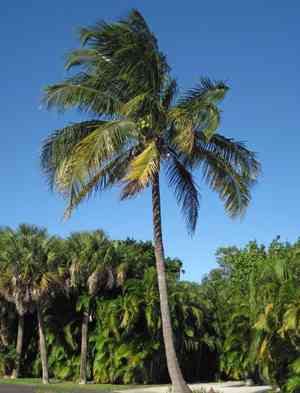
1
Optimal growth for typical coconut palms occurs with over six hours of direct sun daily.
2
While not perfect for peak development, partial sun conditions are acceptable.
3
Excessive solar exposure can lead to scorched foliage and various problems.
The Vital Role of Sunlight for Common Coconut Palms
Sunlight's Function in Photosynthesis
Sunlight is fundamental to photosynthesis, the method through which Common coconut palms transform light energy into chemical energy. During this process, chlorophyll in the palm's foliage absorbs solar energy, utilizing it to convert carbon dioxide and water into glucose and oxygen. This glucose serves as the palm's primary energy source, providing essential nutrients for growth and proper function. Insufficient sunlight hinders photosynthesis, leading to stunted development and poor health for your coconut palm.
Effect on Development and Growth
The amount of sunlight a Common coconut palm receives significantly impacts its growth and overall development. Especially young palms need consistent sunlight to form robust trunks and a strong root system. Proper light exposure promotes taller, sturdier palm growth. Additionally, sunlight aids in the healthy formation of fronds – the palm's characteristic leaves. Inadequate light can lead to weaker, smaller, and yellowed leaves, diminishing the plant's natural allure.
How Sunlight Influences Fruit Production
Sunlight is equally important for the Common coconut palm's fruiting cycle. Ample sunshine encourages flowering and increases the likelihood of successful pollination. Crucially, it affects the sweetness, size, and total yield of the coconuts. Palms exposed to plentiful sunlight typically produce more and higher-quality fruit. Conversely, a lack of sunlight can restrict fruit production, resulting in fewer coconuts that might be smaller and less flavorful.
Optimal Sunlight Conditions for Common Coconut Palms
Ideal Duration of Sun Exposure
For prime growth, a Common coconut palm flourishes in full sun, meaning it requires over 6 hours of direct sunlight daily. This duration ensures the palm receives ample light to support its photosynthetic requirements, fostering healthy growth and fruit output. While the palm can endure partial sun, particularly with brief shaded periods, it's not optimal and should be avoided if you desire a generous harvest.
Best Times for Sun Exposure
The most favorable times for a Common coconut palm to receive its daily sunlight are early morning and late afternoon. During these hours, the sun is less intense than at midday, lowering the risk of leaf sunburn. Morning sun jump-starts photosynthesis after cooler nights, while afternoon sun provides sustained energy without overwhelming the plant. However, ensure your palm isn't deprived of midday sunlight, especially in areas with milder solar intensity.
Indoor vs. Outdoor Sunlight Needs
Common coconut palms are best cultivated outdoors where they can access unfiltered, natural sunlight. If climate restrictions necessitate indoor growth, position your palm near a south-facing window for maximum sun exposure. You may need supplemental artificial lighting to simulate full sun conditions, ensuring your palm continues to grow healthily. When kept indoors, remember to periodically rotate the palm for even light distribution.
Signals Your Common Coconut Palm Needs More or Less Sunlight
Indicators of Insufficient Sunlight
If your Common coconut palm isn't getting enough sunlight, you'll observe several clear signs. Leaves might yellow and appear unhealthy, and the palm's growth will slow significantly. In severe cases, the trunk may weaken, and there will be a noticeable decrease in fruit production. Additionally, the overall look of the coconut palm will be less vibrant and more droopy.
Indicators of Excessive Sunlight
On the other hand, too much sunlight can also be damaging. Signs of overexposure include brown, crispy leaf edges, known as leaf burn. Fronds may seem dry and damaged, and growth can be stunted due to heat stress. If overexposure persists, the palm might suffer lasting harm, making it crucial to achieve a balanced sunlight exposure.
Adjusting Sunlight for Your Common Coconut Palm
Gradual Adjustments
When relocating your Common coconut palm from a shaded area to a sunnier spot, make the change gradually. Abrupt shifts in light exposure can shock the plant, causing stress and potential harm. Begin by providing the palm an extra hour of sun daily, progressively increasing the duration over a few weeks until it adapts to its new, brighter environment.
Utilizing Artificial Lighting
Artificial lighting can be an excellent substitute, particularly for indoor Common coconut palms or regions with inadequate natural sunlight. Employ full-spectrum grow lights that mimic natural sunlight to ensure your palm receives the necessary illumination. Position the lights close to the palm, but not so near as to cause heat stress. Aim for at least 12-14 hours of artificial light daily to replicate optimal sunlight conditions.
Seasonal Sunlight Adaptations
Seasonal changes bring variations in the quantity and intensity of sunlight your Common coconut palm receives. During winter, days are shorter, and sunlight is less intense. Consider moving your palm to a brighter location or using supplemental lighting to offset reduced natural light. In summer, be careful not to overexpose your palm, providing some afternoon shade if the sun's intensity becomes too harsh.



