How Much Sunlight Do Summersweet Need?
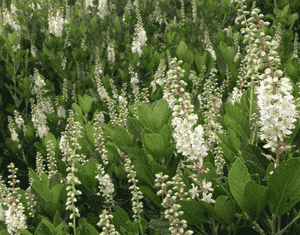
1
Summersweet flourishes optimally with 3-6 hours of sun exposure each day.
2
Excessive direct sun can lead to leaf burn on Summersweet.
3
Dappled light is perfect for supporting Summersweet's development and flowering potential.
Understanding Summersweet Light Needs
Optimal Illumination for Summersweet
Summersweet, prized for its lovely summer blooms, requires specific light conditions for peak development. The best environment for Summersweet is partial sun, meaning it thrives with approximately 3 to 6 hours of direct sunlight daily. This provides enough light for photosynthesis while shielding the plant from excessive heat and intense light. Therefore, placing Summersweet where it gets ample morning sun and afternoon shade can mimic its natural habitat and ensure vigorous growth.
Light Intensity and Duration
Grasping the strength and length of sunlight is vital for Summersweet care. While it can endure full sun, extended periods, especially in hot summer months, may lead to leaf burn and wilting. Thus, the plant performs better with moderate sunlight, benefiting from indirect light that isn't too harsh. Additionally, Summersweet can tolerate full shade, but its flowering and growth might be less robust compared to when it receives the recommended 3-6 hours of sun. Monitoring its exposure and adjusting its spot or using shading as needed can help maintain its health.
What Happens if Summersweet Gets Too Much Sun?
Signs of Overexposure
Excessive sun exposure can harm Summersweet. Early indicators of too much sun include leaf scorch, appearing as brown or yellow leaf edges. The plant may also wilt despite adequate watering, as intense sunlight dehydrates leaves faster than roots can rehydrate them. Another common sign is stunted growth, where the plant ceases producing new leaves or flowers. These symptoms signal plant stress and require immediate action.
Prevention and Mitigation Strategies
Preventing overexposure involves careful planning and placement of your Summersweet. Plant it where it receives morning sun and is protected from harsh afternoon rays. Applying mulch around the base can help regulate soil moisture and offer some thermal protection to the roots. If moving Summersweet isn't possible, consider using shade cloths or garden umbrellas during peak sun hours. Consistent watering, especially during dry spells, will also help alleviate sun-induced stress. These simple tactics can significantly improve your Summersweet's overall health and appearance.
Can Summersweet Thrive in Low Light?
Adaptation to Shady Conditions
Summersweet is quite flexible and can flourish in low light environments. When planted in areas with dappled or full shade, the plant may not grow as vigorously, but it will still maintain a healthy look and produce flowers. This trait makes it an excellent choice for shaded garden spots where other flowering shrubs might struggle. However, if you notice reduced blooming, a slight increase in sun exposure might benefit the plant, encouraging more abundant flower production without causing harm.
Signs of Insufficient Light
While Summersweet can survive in low light, certain indicators suggest it's not getting enough. These include leggy growth, where stems become unusually long and sparse, and a noticeable decrease in leaf size and quantity. A reduction in flowering is another clear sign, as blooms might be fewer or entirely absent. By recognizing these signs early, adjustments can be made to either increase light exposure or supplement with artificial grow lights to ensure Summersweet continues to thrive.
Best Locations for Planting Summersweet
Ideal Garden Spots
When selecting a location for planting Summersweet in your garden, seek out spots that offer a balance of sunlight and shade. East-facing areas that receive morning sun and afternoon shade are perfect. Alternatively, positions beneath the canopy of taller trees, where filtered light penetrates, can also create a favorable environment. This placement helps shield the plant from the harsh midday sun while providing sufficient light for healthy growth and blooming.
Indoor and Outdoor Positioning
Although Summersweet is primarily an outdoor plant, it can also be grown in containers indoors under the right conditions. Place pots near windows that receive ample indirect light, such as those facing east or north. Be cautious of placing it too close to glass, where direct sunlight can cause heat damage. For outdoor placement, patios, garden borders, or any partially shaded spot will work well. Just ensure there's good air circulation to prevent mold and mildew, which can thrive in damp, shady conditions.
Seasonal Light Considerations for Summersweet
Summer and Winter Care
Seasonal changes significantly impact Summersweet's light requirements. In summer, ensure the plant receives partial shade during the hottest parts of the day to prevent scorching. Mulching and consistent watering are crucial during this period. In winter, the plant generally doesn't need as much sunlight as it enters dormancy. However, if you're growing Summersweet in a pot, ensure it gets light to prevent any mid-winter leaf drop due to insufficient light. While it is winter-hardy, protecting it from prolonged icy winds can also help maintain its overall health.
Adapting to Changing Light Conditions
Summersweet is quite flexible and can adjust to varying light conditions throughout the year. As seasons change and the sun's angle and intensity shift, periodically observe the plant's response and modify its exposure accordingly. For instance, moving potted Summersweet closer to a light source in winter or providing extra shade during hot months can ensure it remains healthy. This adaptability makes Summersweet a versatile addition to any garden or home space.



