How Much Sunlight Do Devil's darning needles Need?
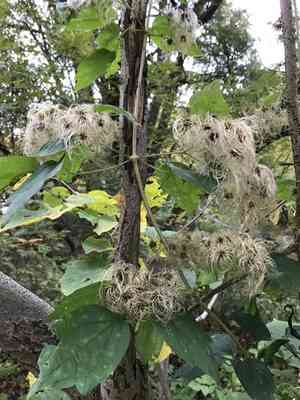
1
Devil's darning needles flourish in environments with either ample sunlight or some shade.
2
Target a minimum of six hours of direct sun daily to encourage peak development.
3
Modify the amount of sun exposure across various times of the year to sustain the plant's well-being.
How Much Light Does Devil's darning needles Require?
Extensive Sun Needs
Devil's darning needles thrive with abundant solar exposure. Ideally, these plants should receive a minimum of 6 hours of direct sunlight daily. Full sun promotes vigorous development and encourages more prolific blooming. If you aim for your Devil's darning needles to flower profusely, positioning them where they can absorb morning and early afternoon sun is crucial. Generally, more sunlight leads to healthier and more vibrant plants.
Partial Shaded Conditions
While Devil's darning needles perform best in full sun, they can endure partial shade. This is particularly beneficial if you reside in a region with extremely hot summers. In such instances, a spot that gets gentle morning sun but is protected from intense afternoon rays can help prevent potential leaf scorching. Partial shade environments are also advantageous in gardens with large trees or structures casting shadows throughout the day.
Optimal Locations for Planting Devil's darning needles for Light Exposure
Prime Garden Spots
When selecting a garden location for Devil's darning needles, seek out open areas that receive ample sunlight. Southern or southeastern garden positions are often perfect as they tend to capture sunlight for most of the day. Furthermore, these spots are less likely to be shaded by other plants or garden features. Planting near light-reflecting surfaces like white walls or fences can also help maximize sun exposure.
Container Cultivation
Growing in containers offers adaptability, enabling you to relocate your Devil's darning needles to the best sunlit spots throughout the year. Select a generously sized container to accommodate the plant's growth and ensure proper drainage. Place the container in a sunny location during spring and summer, and consider moving it to a partially shaded area during peak summer heat to shield it from excessive sun exposure.
Adjusting Light for Seasonal Changes
Spring and Summer Care
During spring and summer, your Devil's darning needles will be in their active growth phase and will require abundant sunlight. However, as summer temperatures climb, it's vital to ensure they don't suffer from excessive heat. If you observe signs of leaf burn, such as brown edges or scorched areas, you might want to provide some afternoon shade using garden umbrellas or shade cloths. Consistent watering can also help the plant cope with high temperatures.
Fall and Winter Modifications
In fall and winter, sunlight intensity diminishes, and days become shorter. It's crucial to maximize available light during these months to maintain plant vitality. If your Devil's darning needles are in containers, move them to locations that receive the most sunlight throughout the day. If they are planted in the ground, ensure they are not overshadowed by nearby trees or structures. Clearing debris and fallen leaves that might block the sun is also important.
Indicators of Excessive or Insufficient Light
Recognizing Leaf Sunburn
Too much sunlight can cause sunburn on your Devil's darning needles' leaves, appearing as brown or crispy edges and scorched patches on the foliage. If you notice these symptoms, consider providing afternoon shade or moving container plants to a less exposed spot. Addressing these signs early helps prevent further damage and aids the plant's recovery.
Detecting Inadequate Light
If your Devil's darning needles are not getting enough sunlight, they may exhibit etiolated growth, where stems become longer and thinner as they stretch for light. The plant might also produce fewer flowers and appear less vibrant. If you observe these indicators, try moving your plant to a brighter location or enhancing the current site's light exposure by pruning nearby trees or shrubs that might be casting too much shade.
Tips for Optimal Light Management
Utilizing Shade Cloths
An excellent method to manage sunlight exposure, especially during the hottest summer months, is by employing shade cloths. These can lessen the intensity of direct sunlight and help prevent leaf scorching. Shade cloths are available in various densities, so select one that provides the appropriate amount of light filtration without excessively blocking necessary sunlight.
Pruning for Enhanced Light Distribution
Pruning is an effective technique to ensure your Devil's darning needles receive adequate sunlight. Trim back any overgrown or densely packed branches to allow more light to penetrate through the plant. This not only aids in distributing sunlight more uniformly but also encourages healthier and more vigorous growth by improving air circulation around the plant.



